Combat athletes need more than hard training to stay healthy. Learn how to structure recovery, nutrition, injury monitoring, weight management, and professional support—plus when paid services and equipment may be worth considering.

Combat athletes stay healthier when hard training is paired with enough fuel, hydration, sleep, and timely adjustments to training load. Persistent pain, dizziness, neurological symptoms after impact, or worsening performance are reasons to stop and seek evaluation from an appropriately qualified clinician.
Most daily recovery can be managed with consistent habits, while sports physical therapy, nutrition counseling, and athlete monitoring services may be useful when problems repeat or a fight camp raises the stakes.
The best choice depends on training demands, symptom patterns, equipment fit, and whether basic self-care is still working. Avoid treating protective gear, recovery devices, or rapid weight loss methods as substitutes for sound training decisions.
A practical plan should make it easier to train consistently without ignoring warning signs.
Quick View
- Daily essentials: adequate energy intake, hydration, sleep, and a manageable training load support adaptation and general health.
- Adjust early: persistent fatigue, pain, illness, or declining performance should lead to training changes rather than simply more effort.
- Get evaluated: head-impact symptoms, recurring dizziness, escalating pain, or neurological symptoms require timely clinical attention.
| Recovery Option | Relative Cost | Best Use Case | Limitations | When Professional Care Fits Better |
|---|---|---|---|---|
| Sleep, food, hydration, and lighter training days | Low | Every athlete, every week | May not resolve persistent symptoms or recurring pain | When symptoms continue despite sensible load adjustments |
| Coaching adjustments and training logs | Low to moderate | Managing fatigue, sparring volume, and skill workload | Coaching is not a medical diagnosis | When pain, neurological symptoms, or illness are present |
| Recovery tools and properly fitted protective equipment | Varies | Comfort, routine, and reducing some training-related risks | Cannot eliminate injury risk or replace clinical evaluation | When equipment problems or symptoms affect training |
| Sports physical therapy, nutrition support, or physician evaluation | Varies by provider and coverage | Recurring issues, fight-camp planning, or concerning symptoms | Requires finding an appropriately qualified professional | When self-managed recovery is no longer enough |
The Core Health Priorities for Combat Athletes
Start with sleep, fuel, hydration, and manageable training load
Combat sports place repeated demands on the body: impact, joint stress, conditioning work, technical drilling, and sometimes rapid changes in training volume. The foundation is not complicated, but it must be consistent. Adequate energy intake, hydration, sleep, and recovery time help support training adaptation and general health.
A useful question is: can you complete your planned work with stable technique and recover well enough to repeat it? If the answer becomes “no” for more than a short stretch, the plan may need adjustment. More rounds, harder sparring, or extra conditioning is not automatically better when fatigue is accumulating.
Track pain, fatigue, mood, and performance changes before they become setbacks
A simple training log can help athletes and coaches notice changes early. Record sparring intensity, conditioning sessions, soreness, pain, sleep quality, mood, and whether performance is slipping. The goal is not perfect data. It is spotting a pattern before a manageable issue turns into lost training time.
Persistent fatigue, pain, illness, or declining performance are practical signals to reduce or modify training load. This may mean fewer hard rounds, less contact, a lighter conditioning session, or more technical work. The appropriate change depends on the individual athlete and should not be guessed when symptoms are concerning.
Know the red flags that should stop training and prompt clinical evaluation
Do not try to “tough out” symptoms after a head impact. Persistent pain, neurological symptoms, recurring dizziness, or worsening symptoms require timely evaluation by an appropriately qualified clinician. These signs are not something a training partner, online checklist, or recovery device can diagnose.
Stop sparring or contact work when symptoms are present. Returning too early can turn uncertainty into a larger problem. A qualified clinician can help determine what further assessment and return-to-training steps are appropriate.
Recovery Support: What to Handle Yourself and When to Pay for Help
Daily recovery basics with the highest practical value
Before buying advanced recovery products, make sure the basics are in place. Eat enough to support training demands, drink fluids regularly, prioritize sleep, and plan easier sessions when hard training has piled up. These habits are useful for recreational trainees and active competitors alike.
Self-managed recovery makes sense when soreness is expected, symptoms are not escalating, and performance returns after sensible rest and training adjustments. It becomes less suitable when the same pain keeps returning, movement is limited, or a fighter is repeatedly forced to change sessions.
Comparing sports physical therapy, massage, coaching adjustments, and recovery devices
Sports physical therapy may be worth comparing when pain is persistent, movement problems recur, or an athlete needs a clearer plan for returning to training. A qualified provider can assess the issue within their scope and help guide progressive loading. Ask whether they regularly work with athletes who train in striking, grappling, or mixed combat settings.
Massage and recovery devices may feel helpful for comfort or routine, but they do not identify the cause of symptoms and do not make head-contact concerns safe. Coaching adjustments are often the fastest first step for managing workload, yet coaches should not be expected to diagnose an injury or neurological condition.
When reviewing a recovery service package, focus on provider qualifications, communication with your coach, what is included, and whether the plan changes based on your response. Local costs and insurance coverage vary, so confirm those details directly before booking.
Questions to ask when comparing a clinic, nutrition professional, or performance service
Ask whether the professional is appropriately qualified for the service offered and whether they have experience with athletes in combat sports. Ask how they handle recurring pain, training modifications, and communication around fight-camp demands. For nutrition support, ask whether the approach accounts for training volume, hydration, and the risks of unsupervised weight-cutting practices.
A good comparison is not only about convenience. It is about whether the support matches the problem you are trying to solve.
Nutrition, Hydration, and Weight Management Without Risky Shortcuts
Build meals around training demands rather than extreme restriction
Hard sessions require reliable fuel. Restrictive eating can conflict with training demands when it leaves an athlete unable to recover, perform, or maintain general health. Rather than copying another fighter’s meal plan, build a routine that supports your own schedule, training load, and competition goals.
The right calorie intake and detailed nutrition plan are individual. A registered dietitian or qualified nutrition professional can be especially useful when an athlete is preparing for a fight, struggling to fuel training, or considering meaningful weight changes.
Hydration planning for hard sessions and hot training environments
Hydration deserves attention before, during, and after demanding sessions, especially in hot environments or when equipment increases heat and sweat loss. Make fluid access easy during training, and do not wait until you feel severely depleted to think about hydration.
If an athlete is repeatedly feeling unwell, unusually fatigued, or unable to perform during training, the response should not be to guess at a fix. Consider training load, food, hydration, illness, and the need for professional evaluation.
Why rapid weight cuts and unverified supplements need extra caution
Sudden weight-cutting practices can carry health and performance risks, particularly when they are unsupervised. A short timeline does not make an extreme method safer. If weight management is part of competition preparation, seek qualified guidance rather than relying on locker-room advice or social media routines.
Use similar caution with supplements. The appropriate supplement use for one athlete may not be appropriate for another. A product label or a bold marketing claim is not a substitute for individualized advice, especially when a fighter has symptoms, dietary restrictions, or a demanding camp schedule.
Injury Prevention and Safer Sparring Habits
Equipment fit: gloves, mouthguards, headgear, wraps, and protective cups
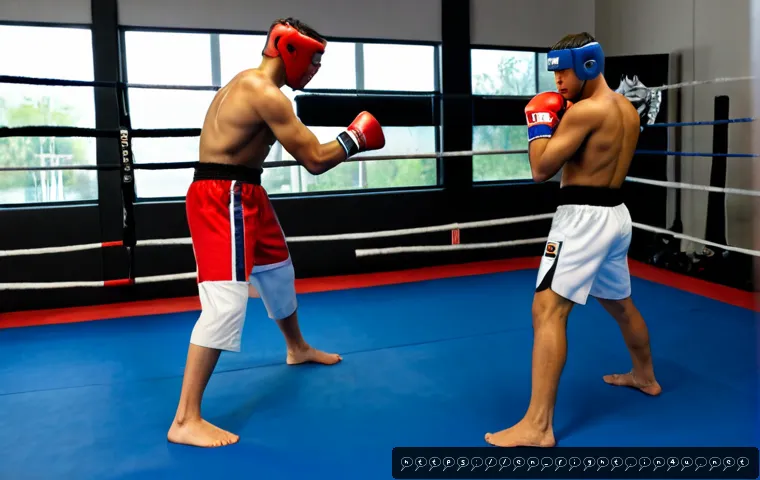
Properly fitted gloves, mouthguards, headgear, wraps, and protective cups can reduce some training-related risks. They cannot eliminate injury risk, and they should not be used as permission for uncontrolled sparring. Fit matters because loose, damaged, or unsuitable equipment can create distractions and reduce its intended protection.

When comparing protective equipment, check fit, comfort, training purpose, durability, and the rules of your gym or competition setting. A mouthguard or glove that looks impressive but does not fit correctly is a poor choice for regular use. Compare sizing guidance and return conditions on the relevant product page before purchasing.
Reduce avoidable injuries through warm-ups, technique, and sparring rules
Warm-ups, technical practice, controlled intensity, and clear sparring rules help reduce avoidable risk. Partners should know the goal of the round: technical timing, controlled contact, specific drills, or higher-intensity work. Confusion about intensity is a common way a productive session becomes unnecessarily risky.
Coaches can protect athletes by matching partners thoughtfully and adjusting contact volume when fatigue or poor technique appears. Fighters can help by speaking up early instead of hiding pain or exhaustion until the session is over.
Do not train through head-impact symptoms or escalating pain
Training through discomfort is often discussed in combat sports, but head-impact symptoms and escalating pain are not a toughness test. Stop contact training and seek timely clinical evaluation when neurological symptoms, recurring dizziness, persistent pain, or worsening symptoms occur.
Pain-masking strategies can also create a false sense of readiness. The priority is understanding whether training should be changed, paused, or guided by a qualified clinician.
Adjusting the Plan for Recreational Training, Fight Camp, and Post-Bout Recovery
Recreational athletes: consistency without excessive wear and tear
Recreational athletes benefit from a plan that supports consistency. Keep hard sessions manageable, treat sleep and meals as part of training, and do not feel pressured to spar heavily every time you attend class. Technical development can continue when contact volume is reduced.
Fight camp: balancing skill work, conditioning, sparring, and recovery
Fight camp can bring rapid changes in training volume and pressure to do more. That is exactly when recovery planning matters most. Track fatigue, pain, mood, and performance changes, then discuss adjustments with the coaching team before a problem becomes a missed week.
Professional nutrition support, sports physical therapy, or athlete monitoring services may add value in camp when they help coordinate decisions around workload, recovery, and weight management. They should support—not replace—clear communication between athlete and coach.
After competition: a structured return to normal training
After a bout, avoid assuming that motivation equals readiness. Review any pain, head impact, fatigue, or symptoms that appeared during competition or in the days after. A gradual return to normal training should reflect how the athlete is actually feeling and performing.
If symptoms persist or worsen, seek evaluation rather than rushing back to sparring. A post-bout recovery period is a good time to inspect protective equipment, review training notes, and identify what should change before the next camp.
Choosing the Right Health Support and Recovery Budget
Low-cost essentials versus higher-cost services and devices
Start with the items that support daily consistency: food that matches training demands, hydration access, sleep routines, a training log, and protective equipment that fits properly. These basics often have more practical value than buying multiple recovery gadgets.
Higher-cost support may be more useful when it solves a clear problem: recurring pain, complicated fight-camp nutrition needs, repeated trouble managing training load, or uncertainty after symptoms. A recovery device may be convenient, but it should not be purchased as a replacement for evaluation when warning signs are present.
A checklist for selecting qualified sports-health support
Before choosing a clinic, physical therapist, nutrition professional, gear retailer, or performance service, check the following:
- Qualifications: Is the provider appropriately qualified for the service you need?
- Combat-sports relevance: Do they understand striking, grappling, sparring, and fight-camp demands?
- Clear scope: Are they clear about what they can assess, treat, or refer onward?
- Practical plan: Will the guidance fit your training schedule and current symptoms?
- Transparent details: Have you confirmed local pricing, insurance coverage, service packages, sizing, and return terms where relevant?
Decision summary: when spending more is likely to add value
Spending more may be reasonable when expert support helps prevent repeated setbacks, clarifies persistent concerns, or makes fight-camp decisions safer. It is less likely to add value when the basics are being neglected or when a product makes broad promises without addressing a specific need.
Selection Criteria and Comparison Summary
Choose self-managed recovery when symptoms are mild, improving, and responsive to sensible rest and training changes. Compare sports physical therapy when pain or movement problems keep returning; compare qualified nutrition support when fueling or weight management is becoming difficult; and prioritize clinical evaluation after head-impact symptoms, dizziness, or worsening pain. For protective gear, prioritize correct fit and training purpose over appearance. Check official provider information, equipment sizing details, and service conditions on the relevant page before making a decision.
Final Thoughts
Combat-sports health management is mostly about making good decisions before a small issue becomes a major interruption. Train hard when your body is responding well, but adjust when fatigue, pain, illness, or performance decline persists. Use equipment and recovery tools as support, not as guarantees. When symptoms are concerning, timely professional evaluation is the safer choice.
Useful Information to Keep in Mind
Training logs can reveal patterns that memory misses. Equipment fit should be checked regularly, especially when gear is worn or uncomfortable. Clear sparring rules help partners match intensity. Weight-management decisions deserve extra caution when a competition date is approaching.
Important Notes
This article provides general educational information, not a diagnosis or individualized medical, nutrition, or training plan. The appropriate workload, calorie intake, supplement use, and weight-management approach vary by athlete. Persistent pain, neurological symptoms after head impact, recurring dizziness, and worsening symptoms should be assessed by an appropriately qualified clinician.
Frequently Asked Questions
Q1. How often should a combat sports athlete see a sports physical therapist?
A1. There is no single schedule that fits every athlete. Sports physical therapy may be useful when pain persists, a problem keeps returning, movement is limited, or an athlete needs help planning a return to training. The right frequency depends on the individual issue, training demands, and the provider’s assessment.
Q2. Are recovery devices worth buying for MMA, boxing, or Muay Thai training?
A2. They may be useful for comfort or a recovery routine, but they cannot replace sleep, adequate fueling, hydration, sensible training adjustments, or clinical evaluation. Consider a device only after the daily basics are covered and avoid using one to ignore persistent pain or head-impact symptoms.
Q3. What symptoms mean a fighter should stop sparring and seek medical advice?
A3. Stop sparring and seek timely evaluation for neurological symptoms after head impact, recurring dizziness, persistent pain, or worsening symptoms. Do not rely on willpower, protective equipment, or online advice to determine whether it is safe to continue contact training.