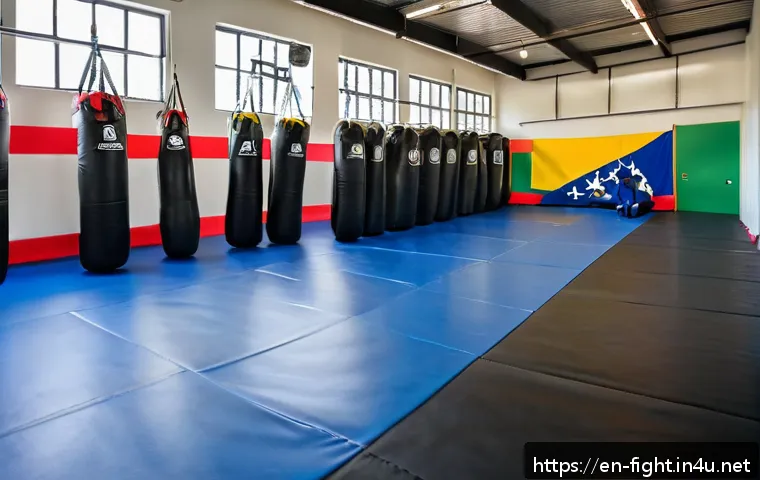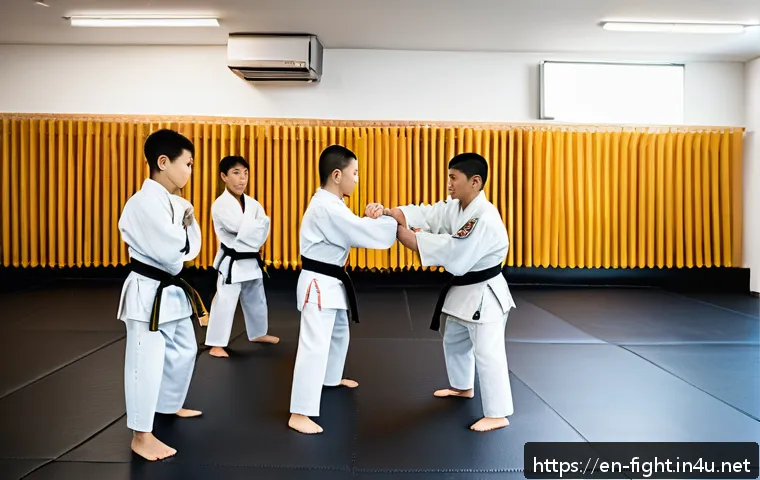
Boxing is a single combat sport built around punches, footwork, defense, conditioning, and ring rules, while martial arts is a broad category that can include striking, grappling, throws, submissions, weapons, and traditional practice.
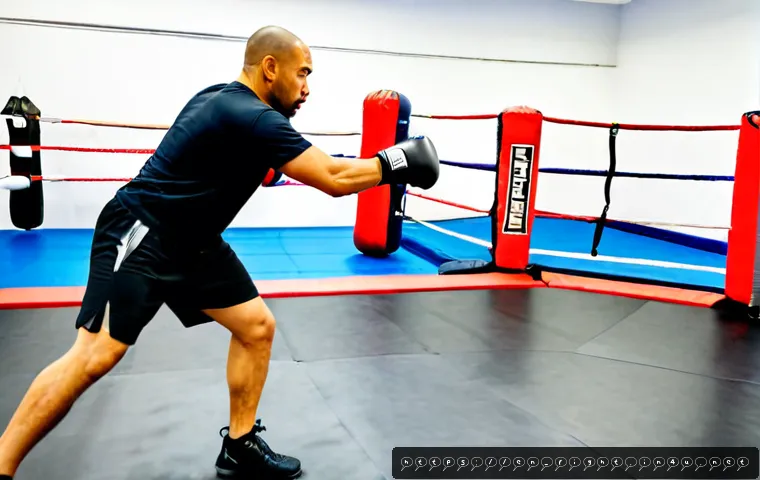
Choose boxing if you want focused punch-based training; choose a martial arts school when you want a wider set of skills or a specific training culture.
The right option depends on your fitness goals, comfort with contact, interest in competition, budget, and access to qualified coaching. A trial class can reveal more than a class schedule alone, especially when it comes to supervision and sparring culture.
Before signing a gym membership, compare equipment requirements, contract terms, cancellation policies, and the instructor’s approach to beginners. Neither boxing nor any martial art can guarantee self-defense success or superior fitness results.
At a Glance
- Boxing focuses primarily on punches, defensive movement, footwork, conditioning, and regulated competition.
- Martial arts can include striking, grappling, throws, submissions, traditional discipline, self-defense, or weapons training.
- Your best fit depends on your goal, contact comfort, coaching quality, class format, and local gym membership terms.
| Decision Factor | Boxing | Martial Arts |
|---|---|---|
| Main skills | Punching, defense, footwork, conditioning | Varies by discipline: striking, grappling, throws, submissions, or traditional forms |
| Rules | Most modern competitions prohibit kicks, takedowns, throws, and submissions | Rules depend on the school and discipline |
| Training goal | Focused striking development and ring competition | Fitness, self-defense, sport, discipline, cultural practice, or mixed skills |
| Contact level | Depends on sparring policies and supervision | Can range from low-contact technical practice to close-contact grappling or sparring |
| Beginner gear | Often includes boxing gloves and gym-specific protective equipment | Depends on the program, class rules, and sparring format |
The Quick Difference Between Boxing and Martial Arts
Boxing Is One Specific Combat Sport
Boxing has a narrow and clear focus: punching techniques, defensive movement, footwork, conditioning, and competition rules. Training may include bag work, pad work, drills, movement practice, conditioning, and sparring where the gym allows it. This focused structure can be appealing if you want to improve your hands, movement, timing, and ability to work within a defined rule set.
Because boxing is regulated as a combat sport, its competition format does not include kicks, throws, takedowns, or submissions. That makes it easier to understand what you are training for, but it also means the curriculum is not designed to cover every type of physical encounter.
Martial Arts Covers Many Training Systems and Goals
Martial arts is an umbrella term, not one training method. One school may teach a striking art. Another may focus on grappling, throws, submissions, traditional forms, weapons, or a mixed curriculum. Some programs are built around sport competition, while others place more attention on discipline, cultural practice, fitness, or self-defense concepts.
Do not assume two martial arts schools offer the same experience because they use the same broad label. Ask what beginners actually practice in class, how contact is introduced, and whether the program has a sport, self-defense, or traditional emphasis.
Three Questions to Answer Before Choosing
First, ask: Do I want focused punch-based training or a broader skill set? Second, ask how comfortable you are with contact, sparring, grappling, or close-range drills. Third, consider the practical side: class times, travel distance, gym membership terms, beginner equipment, and whether the instructor can support your current fitness level.
Compare Techniques, Rules, and Training Experience
Punching, Defense, and Footwork in Boxing
Boxing training centers on delivering punches efficiently while managing distance, movement, defense, and conditioning. Beginners commonly spend time learning stance, balance, basic punching mechanics, defensive movement, and footwork before progressing into more demanding partner work. A well-run boxing gym should make expectations clear instead of pushing a new student into hard sparring without preparation.
If you enjoy a direct training format and want to sharpen striking fundamentals, boxing classes can be a strong match. Still, the quality of coaching and supervision matters as much as the sport itself.
Kicks, Grappling, Throws, and Submissions in Other Disciplines
Other martial arts may add skills that standard boxing competition does not use. Depending on the discipline, classes may teach kicks, clinch work, takedowns, throws, ground control, submissions, or traditional technical practice. A mixed program may combine several areas, but its actual curriculum can vary widely from one school to another.
This variety can suit someone who wants more than punching. However, more techniques do not automatically mean better instruction. A smaller, well-coached beginner program may be more useful than a broad curriculum with unclear teaching standards.
Sparring Formats, Protective Gear, and Contact Levels
Contact level is a gym policy question, not just a style question. Protective equipment, sparring rules, coaching supervision, and injury risk can differ significantly between providers. Some beginner classes emphasize drills and controlled partner work. Others may include sparring only after a student has developed basic skills. Ask how the school handles mismatched experience levels and whether beginners can observe a session before joining.
Required gear can also affect the overall cost of starting. Confirm what is needed for your first class, what can be borrowed, and what should wait until you decide the program is right for you.
Fitness, Self-Defense, and Competition Value
When Boxing Is a Strong Fit for Conditioning and Striking Skills
Boxing may suit you if your priority is structured conditioning combined with punch-based technical practice. The repeated work on movement, defense, drills, and controlled training can make classes feel purposeful for people who do not want a broad traditional curriculum. It can also be a logical path for students interested in boxing competition.
That said, fitness progress depends on attendance, coaching, your starting condition, and how the program is organized. No boxing gym can responsibly promise a specific fitness result.
When a Broader Martial Art May Better Suit Self-Defense Goals
A broader martial arts program may be worth considering when you want exposure to skills beyond punching, such as grappling, throws, or a mixed training approach. But the label self-defense should be examined carefully. Ask what the school actually teaches, how drills are supervised, and whether the program explains safety, avoidance, and realistic limits rather than making sweeping claims.
No martial art guarantees self-defense success. Personal safety depends on context, awareness, decision-making, training quality, and many factors beyond a class curriculum.
Why Competition Rules Should Not Be Confused With Real-World Safety
Competition gives athletes a structured environment with agreed rules, coaching, and defined techniques. Real-world safety does not come with those conditions. Boxing rules limit the available techniques, while other combat sports have their own restrictions. Treat sport training as skill development, not as a guarantee about unpredictable situations outside the gym.

Costs, Equipment, and Gym Membership Factors
Common Beginner Expenses to Compare
Before choosing a boxing gym or martial arts school, compare more than the advertised class price. Ask about the beginner class fee, membership contract, trial-class policy, required gear, equipment replacement, private coaching rates, and cancellation terms. Pricing and requirements differ by location and provider, so direct confirmation is essential.
A low monthly rate may not be the best value if it comes with a long contract, limited beginner access, or unexpected equipment requirements. On the other hand, a higher-priced program may include coaching access or class flexibility that matters to you.
Group Classes Versus Private Coaching
Group classes give beginners a regular schedule and the chance to learn alongside other students. They may be suitable when you want routine, instruction, and a shared training environment. Private coaching can be useful when you need closer technical feedback, a flexible schedule, or extra help with fundamentals.
Private sessions are not automatically necessary for a new student. Consider them when the coach’s expertise and the lesson format clearly match your needs, rather than assuming a more expensive package is always better.
Trial Classes, Contracts, and Cancellation Terms to Review
A trial class is a useful chance to assess the coaching style, cleanliness, beginner support, and overall atmosphere. Watch whether instructors explain drills clearly and whether experienced students are expected to train responsibly with newcomers. Before enrolling, review membership duration, renewal terms, cancellation conditions, and any equipment purchase expectations.
Beginner Safety and Common Selection Mistakes
Choosing a Gym With Appropriate Coaching and Sparring Supervision
Look for a school where instructors can explain how beginners progress from basic drills to more demanding practice. Ask about instructor qualifications, supervision during partner drills, and the school’s approach to sparring. A responsible gym should be able to answer without pressure or vague promises.
Avoiding Unnecessary Gear Purchases at the Start
New students often buy too much equipment before they know whether the program fits. Start by asking what is required for the first few sessions and whether the gym has approved gear standards. Buy additional items after you understand the class format and the school’s safety rules.
Building Conditioning Gradually to Reduce Avoidable Injuries
Combat sports training can be demanding. Beginners should build up gradually, communicate about limitations, and follow instruction on technique and protective equipment. Trying to match advanced students too early can increase avoidable risk and make it harder to learn good movement habits.
Selection Criteria and Comparison Summary
Choose boxing if you want focused striking, defensive movement, footwork, conditioning, and a clear competition structure. Choose a martial arts program based on the exact skills and training environment you want, not just the school’s marketing label. Before committing, compare class schedules, beginner support, sparring culture, instructor background, equipment requirements, and membership cancellation terms. Compare local trial-class policies, required gear, and cancellation terms before enrolling. Official program details and full membership conditions should be checked directly with the school.
Closing Thoughts
Boxing and martial arts are not opposites. Boxing is one focused combat sport, while martial arts describes a much wider group of systems and goals. The most useful choice is the one you can attend consistently, train safely, and understand clearly before paying for a long-term membership. A good first visit should leave you with clear answers, not pressure.
Useful Things to Know
1. A school’s sparring culture can matter as much as its style.
2. A trial class can help you assess coaching, pacing, and class atmosphere.
3. “Self-defense” means different things at different schools, so ask what is actually taught.
4. Equipment needs and private coaching packages vary by provider.
Important Notes
There is no universal best choice between boxing and martial arts. Coaching quality, local access, physical condition, budget, contact preferences, insurance requirements, and competition opportunities should be confirmed directly with each gym or school. Training can involve injury risk, and protective equipment or class rules do not remove that risk entirely.
Frequently Asked Questions
Q1. Is boxing better than martial arts for self-defense?
A1. Not necessarily. Boxing develops punch-based striking, movement, and defense, while some martial arts include a broader range of skills. Neither option guarantees self-defense success. Compare the actual curriculum, coaching quality, and safety approach instead of relying on the style name alone.
Q2. How much does it usually cost to start boxing or martial arts classes?
A2. Costs vary by location and provider. Ask each gym about trial classes, membership fees, contracts, cancellation policies, required equipment, and optional private coaching before joining.
Q3. Should beginners choose a boxing gym or a martial arts school first?
A3. Start with your main goal. A boxing gym may fit if you want focused punch training and conditioning. A martial arts school may fit if you want grappling, kicks, traditional training, or a mixed program. A beginner-friendly trial class can help you judge the coaching environment before making a commitment.