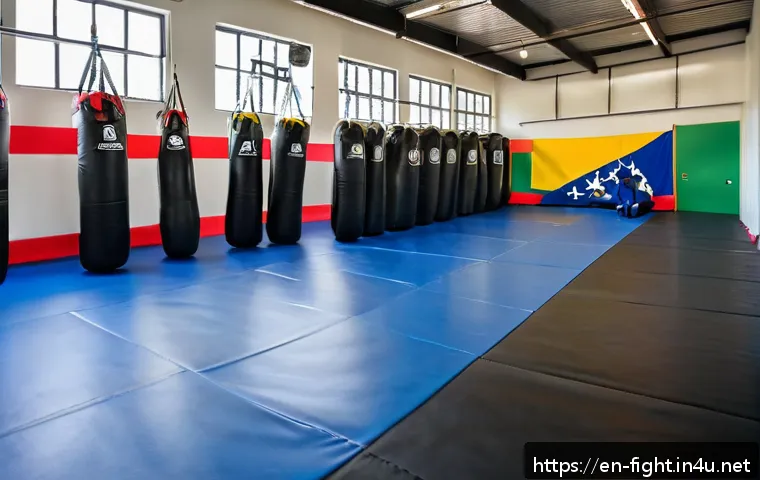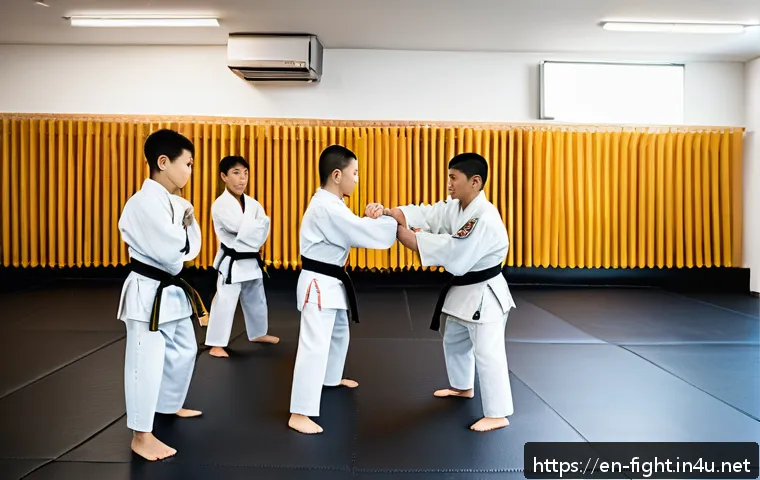
Combat sports and street fights are not the same thing: one is structured around agreed rules and safety controls, while the other is unpredictable and can carry serious physical and legal risks.
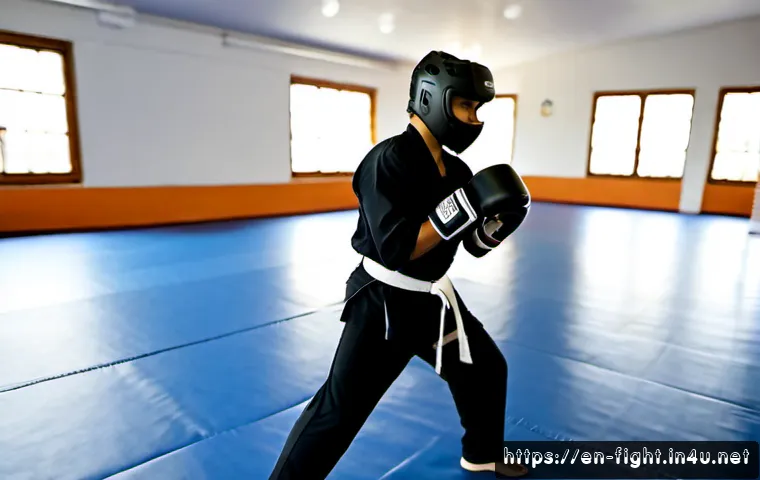
Training can build fitness, coordination, distance management, and composure, but it cannot make an uncontrolled confrontation safe or predictable. If your goal is fitness or sport skill, compare martial arts gym memberships and trial classes.
If your goal is personal safety, look for instruction that includes avoidance, de-escalation, and leaving safely—not promises of winning fights. Before enrolling, check the class focus, equipment requirements, contract terms, and total costs beyond the advertised membership fee.
At a Glance
- Combat sports use rules, officials, and agreed conditions; street fights do not provide reliable control.
- Training helps with fitness, movement, coordination, and composure, but it does not guarantee safety in a real confrontation.
- Avoidance, de-escalation, and leaving are generally lower-risk choices than physical confrontation.
| Decision Factor | Combat Sports | Street Fights |
|---|---|---|
| Rules and control | Rules, agreed conditions, and often divisions or weight classes. | No dependable rules, agreement, or equal conditions. |
| Safety measures | May include officials, safety equipment, and medical protocols depending on the sport and venue. | Hard surfaces, bystanders, weapons, intoxication, and unequal numbers may be involved. |
| Main purpose | Fitness, skill development, competition, and sport achievement. | An uncontrolled conflict with physical, legal, and medical consequences. |
| Training value | Can improve conditioning, timing, coordination, and composure. | Real conditions remain unpredictable, even for trained people. |
| Spending considerations | Gym membership, trial class, protective equipment, uniforms, and possible private coaching. | There is no safe or sensible “preparation budget” for violence; safety-focused education is the better comparison. |
The Short Answer: Controlled Competition Is Not an Uncontrolled Confrontation
A combat-sports match is a regulated activity. A street fight is not.
Boxing, MMA, wrestling, and other combat sports are organized around rules and agreed conditions. Depending on the format, there may be divisions, officials, equipment requirements, and procedures for stopping action.
A street confrontation can change without warning. The number of people involved may be uneven. The surface may be hard. Bystanders, intoxication, or weapons may be present. These factors are not reliably controlled, and they make comparisons based on toughness or sport experience misleading.
What changes when both people agree to rules
Rules create boundaries. A referee or official can monitor the action and stop it when necessary. Rounds, gloves, protective equipment, and medical protocols may also be part of a regulated competition, depending on the sport and venue.
That structure lets participants focus on technical development, conditioning, and sport performance. It does not turn combat sports into a model for an uncontrolled conflict outside a gym or venue. Skill training and safety planning overlap, but they are not identical goals.
Why the safest real-world outcome is usually to leave and get help
In a real conflict, the lower-risk objective is usually not to prove skill. It is to avoid escalation, create distance, leave the area, and get help when possible. This may feel less dramatic than a fight-focused answer, but it accounts for the uncertainty of real environments.
For parents, beginners, and fitness-minded adults, this is an important distinction when comparing a martial arts gym with a self-defense course. A gym may be excellent for confidence and physical development. A safety-focused class may place more attention on awareness, verbal de-escalation, and exit planning.
Side-by-Side Comparison: Rules, Environment, Risk, and Purpose
The best choice depends on what you want to learn. A sport-focused program and a personal-safety program can both be worthwhile, but they should not be judged by the same standard.
Referees, rounds, gloves, and stop rules
Combat sports operate within a framework. Rules define permitted actions, officials oversee the event, and participants enter under agreed conditions. Gloves, uniforms, protective equipment, rounds, and stop rules vary by sport and venue.
When comparing boxing classes, MMA programs, or martial arts gyms, ask what type of sparring is offered and how it is supervised. A beginner should understand whether the class is built around fitness, competition, technical drilling, or a mix of these goals.
Surfaces, bystanders, weapons, and unequal numbers
Street fights have no reliable framework. A person may be dealing with hard surfaces, crowded spaces, bystanders, unequal numbers, intoxication, or weapons. Even a highly trained person cannot control these variables.
This is why a claim that any style will “prepare you for anything” deserves caution. No training program can guarantee safety in a real confrontation. Look for instructors who explain limits clearly rather than treating violence as predictable.
Fitness, sport achievement, personal safety, and legal exposure
Combat sports can be a strong fit for people who want regular exercise, structured skill development, and competition opportunities. A martial arts gym membership may also provide routine, coaching, and a training community.
Personal safety involves a broader set of decisions. Avoidance, de-escalation, and leaving are central considerations. Legal questions also matter: laws involving self-defense, reasonable force, and reporting incidents vary by jurisdiction. Do not assume that a competition rule or gym custom determines what is lawful elsewhere.
What Martial Arts Training Can—and Cannot—Transfer to Personal Safety
Martial arts training can provide useful physical and mental skills. It should be viewed as part of a broader approach to safety, not as a guarantee that someone can control an unpredictable confrontation.
Useful transferable skills: awareness, movement, conditioning, and composure
Regular training can improve fitness, coordination, distance management, movement, and composure under pressure. Learning to stay calm while following instructions can be valuable in many situations, including stressful non-violent ones.
These benefits are also practical reasons to compare boxing classes, grappling programs, or other martial arts options. If fitness is your first priority, a well-run beginner class may be a better value than a program marketed primarily through fear-based self-defense claims.
Limits of sparring when conditions are unpredictable
Sparring happens within a training environment. Participants usually understand the format, the space, and the coaching expectations. Street violence does not offer those assumptions.
Competition success may show dedication and sport skill, but it does not settle questions about safety, legal consequences, or the actions of other people outside the gym. Do not treat a real confrontation like a match with a referee and agreed boundaries.
Why de-escalation and escape planning matter
Safety-focused instruction should acknowledge the value of avoiding trouble before physical contact occurs. This can include awareness, de-escalation, and decisions that help a person leave rather than remain engaged.
When reviewing a self-defense course, ask whether it discusses prevention and exit choices alongside physical skills. A program that only sells a “winning” mindset may leave out the most important part of personal safety: reducing exposure to violence in the first place.
Choosing Training: Gym Membership, Self-Defense Course, or Private Coaching
Start with your primary goal. A combat-sports gym is often the clearer option for fitness and skill development. A safety-focused course may be more relevant if you want structured discussion of avoidance and de-escalation. Private coaching may offer more individual attention, but the focus, pricing, and value should be confirmed directly.
Questions to ask during a trial class
A trial class can reveal more than a promotional description. Ask what the program is designed to teach: competition skills, general fitness, practical self-protection, or a combination. Ask how beginners are introduced to contact training and how instructors supervise sparring.
Also ask whether protective equipment is required, whether it is provided or purchased separately, and whether the school has a clear path for people who do not want to compete. A good comparison is based on teaching style and class fit, not just the monthly membership headline.

Typical cost categories beyond the advertised monthly fee
Martial arts training costs vary by location, class type, contract terms, equipment needs, and private-coaching options. Before joining, build a simple total-cost checklist:
- Trial-class requirements or introductory options
- Recurring gym membership or class fees
- Gloves, uniforms, and protective equipment
- Optional private lessons or coaching sessions
- Contract length, cancellation policy, and other membership terms
Compare the full package rather than assuming the advertised rate covers every need. Check the school’s official enrollment information for current pricing, equipment requirements, and cancellation conditions.
Red flags in safety claims, contracts, and instructor marketing
Be careful with programs that promise guaranteed safety, claim that one system works in every situation, or dismiss the importance of avoidance. Real-world conflict is too variable for those promises to be responsible.
Read membership terms before committing. Confirm the exact cancellation policy, equipment costs, and whether the class focus matches what was advertised. Instructor credentials and program quality can vary, so they should be verified directly rather than assumed from marketing language.
Common Mistakes That Increase Risk
The biggest mistakes often happen before any physical contact. Pride, social pressure, and false confidence can turn a bad situation into a worse one.
Treating a real confrontation like a match
A real confrontation has no guaranteed referee, stop rule, equal number of people, or controlled surface. Expecting it to work like sparring or competition ignores the risks that make it dangerous.
Escalating over pride, filming, or social pressure
Arguments can grow when people feel pressured to perform for friends, bystanders, or a camera. A safer decision is often to disengage instead of trying to prove confidence or skill.
Training should support better judgment, not encourage someone to seek confrontation. The value of confidence is being able to make a calm decision—not feeling obligated to fight.
Ignoring local laws and post-incident medical needs
Legal standards on self-defense, reasonable force, and reporting vary by jurisdiction. If an incident occurs, local legal guidance may be necessary for the specific circumstances.
Physical injury can also require attention even when it is not immediately obvious. A training class cannot replace appropriate medical or legal support after a real incident.
Selection Criteria and Comparison Summary
Choose a combat-sports gym for fitness and skill development; choose safety-focused instruction for avoidance and de-escalation. Before spending money, use these decision checks:
- Define your main goal: fitness, competition, confidence, safety awareness, or a combination.
- Take a trial class and confirm how beginners, sparring, and safety equipment are handled.
- Compare the complete cost: membership, gloves or uniforms, protective gear, and optional private coaching.
- Review contract length, cancellation terms, and any required purchases before enrolling.
- Prefer realistic teaching over guarantees about street fights or personal safety.
For current membership terms, trial-class details, equipment lists, and instructor information, check the official page for the gym or self-defense course you are considering.
Final Thoughts
Combat sports can be rewarding for fitness, discipline, coordination, and structured skill building. They are not a promise that someone can safely manage uncontrolled violence. Street fights bring risks that rules, gloves, and a referee cannot remove.
The most useful training choice is the one that matches your actual goal and teaches its limits honestly. For personal safety, prioritize awareness, de-escalation, and the ability to leave safely whenever possible.
Useful Things to Know
1. Trial classes matter. They show how a school treats beginners and whether its teaching style fits your goal.
2. Equipment can change the total cost. Ask about gloves, uniforms, and protective gear before comparing memberships.
3. Competition and self-protection are different training goals.
A program may address one, both, or neither in the way you expect.
4. Calm decision-making is part of safety. Training is most valuable when it supports avoidance rather than escalation.
Important Notes
Class quality, instructor background, monthly pricing, insurance coverage, cancellation policies, and equipment costs must be verified with each provider. Laws on self-defense and reasonable force vary by location and by circumstances. No martial arts gym, self-defense course, or private coach can guarantee safety in a real confrontation.
Frequently Asked Questions
Q1. Is martial arts training useful for self-defense?
A1. It can be useful for fitness, coordination, distance management, movement, and composure. However, it cannot make a real confrontation predictable or safe. Avoidance, de-escalation, and leaving the area are generally lower-risk options than physical confrontation.
Q2. How much do boxing, MMA, or self-defense classes usually cost?
A2. Costs vary by location, class type, contract terms, equipment needs, and private-coaching options. Compare more than the advertised membership fee by asking about trial classes, gloves or uniforms, protective gear, private lessons, and cancellation terms.
Q3. Which is safer for a beginner: a combat-sports gym or a self-defense course?
A3. The safer fit depends on the provider and the program design. A regulated beginner combat-sports class may offer structured coaching and safety procedures, while a safety-focused course may emphasize avoidance and de-escalation. Ask how beginners are taught, how contact is supervised, and what the course is actually designed to cover.