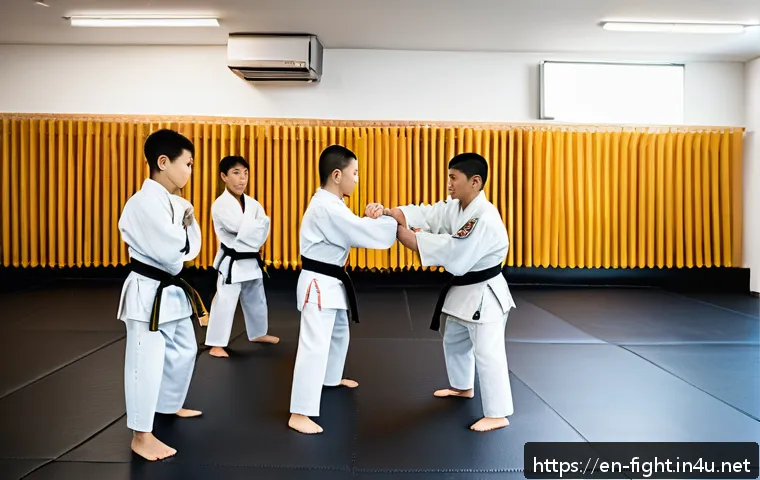
Combining martial arts and strength training can improve power, movement control, physical resilience, and body composition when your total workload is manageable.

The best plan keeps technical practice as the priority when skill development or competition performance matters most. Beginners often benefit from a simple schedule before paying for extra coaching or multiple memberships.
Separate gyms can work well, while a hybrid facility may be more convenient if class times and equipment access fit your routine. Personal training can add value when it solves a clear programming or technique problem, not simply because more training sounds better.
If pain, poor sleep, or declining performance continues, reducing workload and seeking appropriate professional guidance may be the smarter choice.
At a Glance
- Train both when strength work supports your martial arts practice rather than exhausting you before it.
- Choose your setup by your main goal: skill development, strength gains, fat loss, or competition preparation.
- Recovery is part of the plan; hard sparring, heavy lifting, poor sleep, and ignored pain can create a counterproductive workload.
| Training Option | Best Fit | Main Value | What to Check Before Paying |
|---|---|---|---|
| Martial arts gym only | Beginners focused on learning skills | More attention on classes, drilling, and coaching | Class schedule, coach access, partner quality, and contract terms |
| Separate gym memberships | People who want flexible strength training | More equipment choices and independent scheduling | Total monthly cost, travel time, and whether both locations are realistic to use |
| Hybrid combat-sports and strength facility | Busy students who value convenience | Classes and strength equipment in one place | Equipment access during peak hours, coaching quality, and higher membership value |
| Personal coaching or sport-specific programming | Students with a specific gap or performance goal | Individual feedback and a clearer training plan | Coach credentials, communication, programming approach, and total cost |
What You Gain by Training Both Disciplines
Martial arts and strength training can complement each other well. Martial arts develops timing, technical decision-making, coordination, and sport-specific movement. Strength training can support the physical qualities behind those skills when it is programmed with enough room for recovery.
Better Power, Movement Control, and Physical Resilience
Strength work can help you build the ability to produce and control force. That may be useful for grappling exchanges, kicking balance, clinch work, takedown attempts, or simply maintaining posture late in a demanding class. It can also provide structured practice for movements that may not receive much direct attention during technical sessions.
The goal is not to turn every gym session into a test. A useful strength program usually emphasizes repeatable, well-controlled training that leaves enough energy for martial arts practice. If your lifting makes your movement sloppy in class, the training dose may be too high for your current schedule.
Why Strength Training Supports—but Does Not Replace—Technical Practice
A stronger athlete is not automatically a more skilled fighter. Timing, distance management, defense, grappling awareness, and safe sparring habits are learned through martial arts instruction and deliberate practice. If your main goal is to improve in boxing, Brazilian jiu-jitsu, Muay Thai, wrestling, karate, or another discipline, protect time for quality classes.
Think of strength training as a support service. It should make technical training easier to tolerate, not replace coaching, drilling, or partner work. This is especially important for newer students who are still learning how to move efficiently.
When the Combined Workload Becomes Counterproductive
The combined plan stops working when fatigue consistently overwhelms practice quality. Warning signs can include persistent soreness, poor sleep, reduced motivation, declining coordination, unusual irritability, or performance that repeatedly feels worse. These signals do not diagnose a problem, but they are useful reasons to review your schedule.
More sessions are not always more progress. A simpler plan may be better when work stress, family responsibilities, travel, or a demanding martial arts block already consumes your recovery capacity.
Choose the Right Training Split for Your Primary Goal
Your training split should reflect what you are trying to improve first. Trying to maximize skill, muscle gain, conditioning, fat loss, and competition readiness all at once often creates confusing priorities. Pick the leading goal, then use the second discipline to support it.
Skill-First Plan for Beginners and Recreational Students
For beginners, martial arts classes should generally anchor the week. Add strength sessions in a modest, sustainable way and focus on learning basic gym movements with good form. This approach leaves room to absorb coaching cues, recover from unfamiliar drills, and decide whether you genuinely enjoy the sport before committing to premium coaching packages.
A skill-first student may prefer a martial arts membership plus basic access to a strength gym. That can be a good value when the martial arts school has strong instruction but limited equipment. If travel between locations creates missed sessions, a hybrid facility may be worth considering for convenience.
Strength-First Plan for Off-Season Athletes
An athlete without an upcoming competition may choose a strength-first phase. Martial arts practice can remain in the schedule, but hard sparring and extra conditioning may need to be managed around demanding lifting sessions. This is not a reason to stop practicing technique; it is a reason to be honest about the current priority.
Coach-led programming can be useful here if the coach understands both resistance training and combat-sports fatigue. Ask how the program changes when your class schedule becomes harder, rather than assuming a generic workout plan will fit every training week.
Competition-Focused Plan for Fighters Managing Sparring and Conditioning
Competition preparation changes the balance. Technical sessions, sparring, sport-specific conditioning, weight-management considerations, and recovery demands can become more important than adding extra gym volume. Strength training may still have a place, but it should fit the competition plan rather than compete with it.
For aspiring competitors, communication between coaches can matter more than buying more services. A strength coach who understands when hard sparring occurs can make better scheduling decisions than one who treats every week like a general fitness phase.
Compare Gym Memberships, Coaching, and Home Training Value
Membership value is not only about the monthly price. A lower-cost gym that is difficult to reach or rarely fits your schedule may offer less practical value than a more convenient option. Review the full commitment before signing up.
Martial Arts Gym Only Versus Separate Strength Gym Membership
A martial arts gym only setup can be enough when your main focus is technical progress and you already have simple ways to train strength at home. Separate gym memberships can make sense when you need broader equipment access or prefer independent lifting sessions away from class hours.
Before choosing two memberships, consider the real friction: travel, changing clothes, crowded facilities, class timing, and your ability to recover. A plan that looks complete on paper may be difficult to maintain after a busy week.
When a Hybrid Facility Is Worth a Higher Monthly Fee
A hybrid facility may justify a higher monthly fee when it meaningfully reduces travel and makes consistent training easier. It can also be useful when the available strength equipment, open-gym access, and martial arts schedule genuinely support your needs.
Do not assume “all-in-one” means high quality in every area. Observe a class if possible. Check whether coaches provide useful feedback, whether equipment is maintained, and whether members can train safely without interfering with scheduled sessions.
What to Check Before Paying for Personal Training or Sport-Specific Programming
Personal training is most valuable when it addresses a specific need: learning safe lifting technique, building a schedule around martial arts, returning gradually after time away, or preparing for a defined performance goal. Ask what the coach will assess, how often the plan is adjusted, and how they account for sparring, drilling, and fatigue.
Also review coach credentials, communication style, cancellation terms, and total monthly cost. The right service should make your decisions clearer, not pressure you into unnecessary sessions or equipment purchases.
Build a Weekly Schedule Without Sacrificing Recovery

A workable schedule places the hardest demands where they interfere least with each other. Exact weekly volume varies by martial art, intensity, injury history, sleep, nutrition, and competition goals, so there is no universal template. Start with a manageable structure and adjust based on how training quality feels over time.
How to Separate Heavy Lower-Body Sessions From Sparring Days
Heavy lower-body lifting can leave your legs tired and your movement less sharp. When possible, avoid placing that session immediately before hard sparring or a class where footwork, kicking, takedowns, or explosive entries are especially important. Some people prefer to separate these demands across different days; others train both on the same day but keep one session lighter.
If same-day training is your only practical option, decide which session needs your best focus. Put that session first, and reduce the other session if fatigue affects technique. A hard sparring day is rarely the ideal time to chase lifting personal records.
Simple Weekly Examples for Two, Three, or Five Martial Arts Sessions
With two martial arts sessions, many recreational students can place strength work on other days or keep it away from the hardest class. With three sessions, it may help to identify one hard class and avoid stacking every demanding workout around it. With five sessions, the strength plan often needs to become shorter, more selective, and closely matched to the intensity of martial arts practice.
These are planning examples, not fixed prescriptions. If a coach increases sparring intensity, adds conditioning rounds, or prepares you for competition, your lifting plan may need to change even if the number of weekly classes stays the same.
Sleep, Protein Intake, Mobility, and Rest-Day Basics
Recovery basics are not complicated, but they are easy to overlook. Aim for consistent sleep habits, eat enough to support your training demands, include protein as part of regular meals, and use mobility work when it helps you move more comfortably. Rest days can include easy movement, but they do not need to become hidden high-intensity workouts.
Recovery tools and services may feel helpful, but they should not replace sleep, sensible scheduling, and an appropriate training load. Compare what a recovery service actually provides against the cost and whether it solves a meaningful problem in your routine.
Common Mistakes That Stall Progress or Increase Injury Risk
The most common issue is not a lack of motivation. It is poor coordination between training demands. A good plan becomes less useful when every session is treated as a maximum-effort event.
Adding Too Much Lifting Volume After Hard Classes
Hard martial arts classes can already include conditioning, resistance through partner work, and repeated explosive effort. Adding a large amount of lifting volume afterward may not be the best use of your remaining energy. Begin conservatively and add work only when you can recover and maintain skill quality.
Training to Failure Before Technical Sessions
Training to failure can create fatigue that carries into class. When your coordination, reaction time, or balance is reduced, technical training may become less productive. Keep the purpose of each session clear: build strength, learn skill, spar hard, or recover. Not every session needs the same intensity.
Ignoring Pain, Poor Sleep, and Declining Performance Signals
Do not treat pain or ongoing exhaustion as proof that the plan is working. Modify training when needed and consider medical clearance if you have an injury, a chronic condition, or have been inactive for a long period. A qualified healthcare professional can help with concerns that go beyond normal training fatigue.
Choosing the Right Setup: A Final Comparison Checklist
Choose the simplest setup that supports your current goal. Beginners may get the most value from reliable martial arts instruction and a manageable strength routine. Busy professionals may prioritize a convenient hybrid facility, while aspiring competitors may benefit from coaching that coordinates sparring, conditioning, and strength work.
Before committing, check class times, coaching credentials, equipment access, contract terms, cancellation policies, travel time, and total monthly cost. Ask whether the facility can support your primary goal without encouraging unnecessary volume. Official membership details, coaching qualifications, and full terms are best checked on the relevant provider’s page before you enroll.
Conclusion
Martial arts and strength training can work together without turning your week into a recovery problem. Start by deciding what matters most right now, then build the smallest plan that supports that goal. Keep technical practice central when skill is the priority, and reduce lifting volume when sparring or competition demands rise. Consistency, sound coaching, and honest recovery checks usually matter more than a complicated routine.
Useful Things to Know
1. Convenience can be a real training advantage if it helps you attend consistently.
2. A higher membership fee may be worthwhile only when the coaching, schedule, and equipment solve a real problem for you.
3. The best strength plan for combat sports is not necessarily the one with the most exercises or the hardest sessions.
4. A short training log can help you notice patterns between sparring quality, lifting fatigue, sleep, and recovery.
Important Notes
Individual training volume, strength outcomes, body-composition changes, skill development, and injury risk vary widely. This information is general guidance, not medical advice or a guarantee of results. People with injuries, chronic health conditions, or a long break from exercise may need medical clearance or individualized advice before increasing training demands.
Frequently Asked Questions
Q1. Is it safe to do strength training and martial arts on the same day?
A1. It can be workable for some people, especially when total intensity is managed. Put the session that matters most first, avoid exhausting yourself before hard sparring or technical practice, and adjust if fatigue begins to affect movement quality or recovery.
Q2. How many days per week should I lift if I train martial arts regularly?
A2. There is no single number that fits everyone. The right amount depends on your martial art, class intensity, goals, sleep, nutrition, injury history, and whether you are preparing for competition. Start with a manageable amount of strength work and review how well you recover before adding more.
Q3. Is a hybrid martial arts and strength gym worth the higher membership cost?
A3. It may be worth it if one location improves attendance, provides suitable equipment, and offers quality martial arts coaching at times you can actually use. Compare the full monthly cost, contract terms, class schedule, coach access, and equipment availability against separate memberships before deciding.