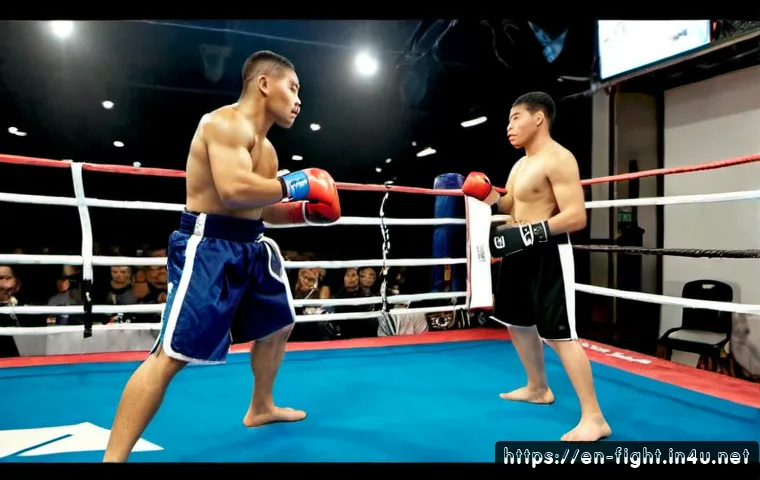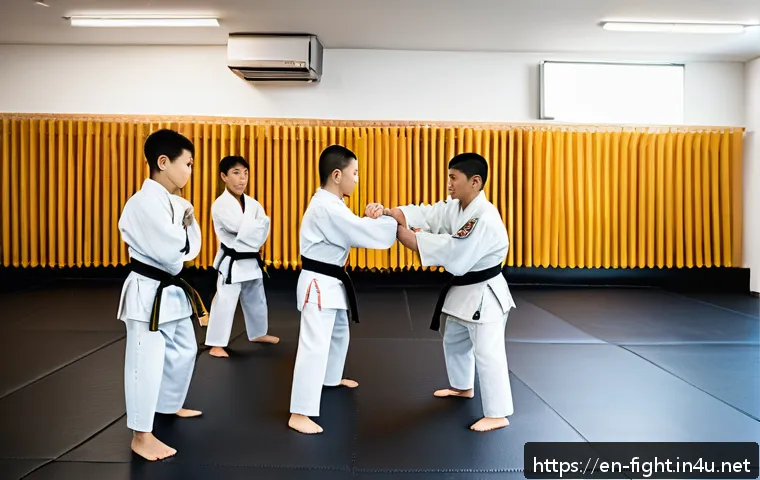
In today’s fast-paced world, more people are turning to martial arts not just for fitness but for personal growth and self-defense. With this surge in interest, becoming a certified professional martial arts trainer has never been more valuable or rewarding.
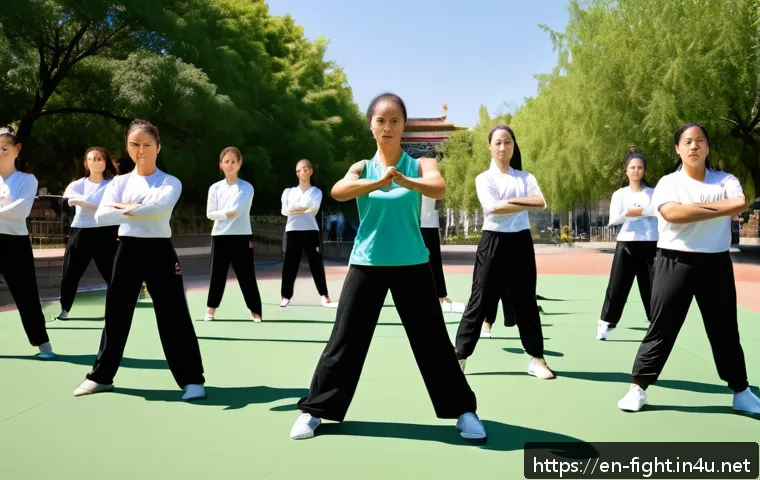
Whether you’re passionate about helping others achieve their goals or looking to elevate your own skills, certification opens doors to credibility and career opportunities.
Let’s dive into how you can unlock your potential and make a real impact in the martial arts community through professional training credentials. This guide will walk you through the essential steps and insider tips you need to succeed.
Understanding the Foundations of Martial Arts Coaching
The Role of a Professional Trainer Beyond Technique
Being a martial arts trainer isn’t just about demonstrating moves or correcting stances. It’s about mentoring individuals through a transformative journey that builds confidence, discipline, and resilience.
From my own experience working with diverse students, the most successful trainers are those who balance technical expertise with emotional intelligence.
When you step into this role, you’re often the one who notices subtle progress or setbacks before the student does. This attentiveness creates a deeper connection and fosters a supportive environment where learners feel safe to push their limits.
Key Skills Every Trainer Should Cultivate
Aside from mastering various martial arts styles, trainers must develop strong communication skills, patience, and the ability to adapt teaching methods to suit different learning styles.
Early in my coaching career, I realized that simply repeating techniques wasn’t enough. I had to break down complex movements into manageable parts and encourage questions, which helped my students grasp concepts more effectively.
This adaptability is crucial, especially when working with mixed-age groups or individuals with unique physical challenges.
Building Credibility Through Certification
Certification acts as a stamp of legitimacy in the martial arts world. It reassures students and gym owners that you have met standardized criteria of knowledge and safety.
From what I’ve seen, holding recognized credentials not only increases your marketability but also boosts your confidence as a coach. Certifications often cover areas like injury prevention, first aid, and ethical training practices, which are indispensable in maintaining a professional and responsible training environment.
Exploring Different Certification Paths and Their Benefits
National and International Certification Bodies
There are various organizations offering certifications, each with its own focus and level of recognition. For instance, the International Martial Arts Trainers Association (IMATA) emphasizes global standards, while local bodies might concentrate on region-specific styles or rules.
Choosing the right certification depends largely on your career goals and the audience you intend to serve. Personally, I found that international certifications opened doors for workshops and seminars abroad, broadening my reach.
Online Versus In-Person Training Programs
With the rise of digital learning, many certification courses are now available online. While convenient, online programs require self-discipline and may lack hands-on feedback.
On the other hand, in-person courses allow for real-time corrections and networking opportunities. When I took my first certification, the in-person experience was invaluable for refining my techniques and building relationships with fellow trainers, which later helped in job referrals and collaborations.
Specialized Certifications for Niche Areas
If you want to stand out, consider certifications in specialized areas such as women’s self-defense, children’s martial arts, or strength and conditioning for fighters.
These targeted credentials allow you to tailor your services to specific communities or needs. For example, after obtaining a certification in women’s self-defense, I was able to design programs that addressed unique safety concerns, which significantly increased enrollment among female students.
Practical Steps to Prepare for Certification Exams
Creating a Study and Practice Schedule
Consistency is key when preparing for certification exams. From my experience, breaking down study material into weekly goals and combining theory with regular physical practice made the process manageable and less overwhelming.
I recommend setting aside specific times each day for reviewing course content and practicing techniques. This approach not only builds muscle memory but also reinforces your understanding of the principles behind each move.
Utilizing Peer Groups and Mentorship
Training alongside peers or under a mentor can provide valuable feedback and motivation. When I was preparing for my certification, joining a study group helped me stay accountable and exposed me to different perspectives on technique execution.
Mentors, especially those with years of experience, can share insider tips about what examiners look for and how to avoid common pitfalls, which can be a game changer.
Simulating Exam Conditions for Confidence
One of the most effective ways I found to reduce test anxiety was to simulate the exam environment. Practicing under timed conditions and performing in front of others helped me acclimate to pressure and improve my focus.
This method also highlighted areas where I needed extra work before the actual exam day, making the whole experience less stressful and more predictable.
Leveraging Your Certification to Build a Thriving Career
Marketing Yourself as a Certified Trainer
Once certified, it’s essential to showcase your credentials in a way that attracts clients or employers. I learned that updating my social media profiles, creating a professional website, and sharing success stories from my students helped establish my reputation.
Highlighting your certification alongside testimonials and videos of your training sessions can significantly boost credibility and engagement.
Networking Within the Martial Arts Community
Building relationships with other trainers, gym owners, and industry professionals can open doors to new opportunities. Attending seminars, competitions, and workshops not only expands your knowledge but also helps you stay visible in the community.
Personally, networking led to invitations to guest teach and collaborate on projects, which enriched my career and income streams.

Continuing Education and Skill Enhancement
Certification isn’t the end of your learning journey—it’s just the beginning. Staying updated with new training methodologies, safety standards, and emerging martial arts trends keeps your skills sharp and your services relevant.
I make it a point to attend refresher courses and advanced workshops regularly, which clients appreciate as a sign of dedication and professionalism.
Balancing Business and Coaching Responsibilities
Managing Client Expectations and Progress
Effective trainers not only teach but also manage client goals and progress realistically. I’ve seen how setting clear, achievable milestones keeps students motivated and reduces dropouts.
Regular feedback sessions and personalized adjustments to training plans make clients feel valued and understood, which strengthens retention.
Handling Administrative and Financial Tasks
Running a successful training business requires more than coaching skills. Keeping track of schedules, payments, and legal requirements can be daunting but is essential for sustainability.
I recommend using management software tailored for fitness professionals to streamline these processes, allowing you to focus more on training and less on paperwork.
Creating a Safe and Inclusive Training Environment
Safety and inclusivity are non-negotiable in martial arts training. Implementing strict safety protocols and fostering respect among students of all backgrounds ensures a positive atmosphere.
From my perspective, promoting diversity and zero tolerance for harassment not only aligns with ethical standards but also enhances the overall learning experience.
Comparing Popular Certification Programs
| Certification Program | Focus Area | Duration | Cost | Recognition |
|---|---|---|---|---|
| International Martial Arts Trainers Association (IMATA) | Global standards, multi-discipline | 6 months | $1,200 | International |
| National Academy of Sports Medicine (NASM) – Martial Arts Specialization | Sports science and conditioning | 3 months | $900 | National (U.S.) |
| Certified Self-Defense Instructor (CSDI) | Self-defense techniques and safety | 4 months | $700 | Regional |
| World Karate Federation Coaching License | Karate-specific coaching | 5 months | $1,000 | International |
| Strength and Conditioning for Martial Artists | Physical conditioning and injury prevention | 2 months | $600 | National |
Incorporating Technology and Modern Tools in Training
Using Video Analysis for Technique Improvement
One tool I found incredibly useful was video analysis software. Recording sessions and reviewing footage allowed me and my students to spot subtle errors that are hard to catch in real-time.
This method fosters a more objective approach to improvement and helps track progress visually, which can be very motivating.
Apps and Wearables to Monitor Performance
Wearable technology like heart rate monitors and fitness trackers have become game changers in martial arts training. They provide real-time data on endurance, recovery, and intensity.
Incorporating these tools helped me tailor workouts to individual fitness levels and prevent overtraining, which is crucial for long-term success.
Virtual Classes and Remote Coaching
The pandemic accelerated the adoption of virtual training, and I discovered that remote coaching can be surprisingly effective if structured well. Utilizing live video sessions and digital platforms for homework assignments made training accessible to clients who couldn’t attend in person, expanding my reach and income streams.
Conclusion
Becoming a certified martial arts trainer is a rewarding journey that goes far beyond mastering techniques. It involves continuous learning, emotional connection, and adapting to each student’s unique needs. By investing in proper certification and embracing modern tools, trainers can build fulfilling careers that positively impact their communities. Remember, the path to excellence is ongoing and shaped by passion, dedication, and professionalism.
Helpful Information
1. Certification programs vary widely in cost, duration, and focus—choose one that aligns with your career goals and target audience.
2. Combining online learning with in-person practice can maximize skill retention and provide valuable feedback.
3. Specialized certifications can open niche markets, such as women’s self-defense or youth martial arts coaching.
4. Leveraging technology like video analysis and wearables enhances training effectiveness and student engagement.
5. Networking and continuing education are essential to maintaining relevance and expanding career opportunities.
Key Takeaways
Effective martial arts coaching requires more than technical knowledge; it demands strong communication, emotional intelligence, and adaptability. Certification not only validates your expertise but also equips you with essential skills in safety and ethics. Preparing thoroughly through structured study, mentorship, and exam simulation boosts confidence and success. Finally, balancing coaching with business management and embracing modern technology ensures a sustainable and impactful career.
Frequently Asked Questions (FAQ) 📖
Q: uestionsQ1: What are the key benefits of becoming a certified professional martial arts trainer?
A: Becoming certified not only boosts your credibility but also opens up more career opportunities, whether you want to teach at gyms, start your own school, or work with special groups like children or law enforcement.
From my experience, certification provides a solid foundation in teaching methods and safety protocols, which helps you confidently guide students and grow your reputation in the martial arts community.
Q: How long does it typically take to get certified as a martial arts trainer?
A: The timeline varies depending on the certification program and your prior experience, but most courses take anywhere from a few weeks to several months.
In my case, enrolling in a part-time program allowed me to balance training with work, completing certification in about three months while gaining practical teaching hours.
It’s important to choose a program that offers hands-on experience alongside theory to maximize your learning.
Q: Can I become a certified trainer without prior martial arts experience?
A: Generally, some background in martial arts is required because understanding the techniques and discipline is essential for effective teaching. However, many certification programs offer beginner-friendly tracks or prerequisites to help newcomers build the necessary skills.
If you’re starting fresh, I recommend immersing yourself in training first and then pursuing certification once you feel comfortable with the basics—this approach worked well for me and many others.