Hey everyone! So, you’ve been thinking about diving into the world of martial arts, haven’t you? Maybe you’re looking to boost your fitness, learn some practical self-defense, or simply challenge yourself in a totally new way.
I totally get it – that initial step can feel exhilarating and a little bit daunting all at once, especially with so many incredible options out there, from classic boxing gyms to high-energy MMA academies and serene traditional dojos.
Trust me, I’ve been exactly where you are, spending countless hours researching and visiting different spots trying to find that perfect fit, wondering if I’d truly connect with the training and community.
It’s not just about finding a place to sweat; it’s about discovering your tribe and the right environment to truly grow, both physically and mentally, whether you’re eyeing a future in the ring or just want a fantastic, engaging workout that never gets stale.
Let’s cut through all the noise and pinpoint exactly where your martial arts journey should truly begin.
No markdown syntax.
No code blocks.
Understanding Your Martial Arts “Why”
Okay, so before you even step foot into a gym, you’ve gotta sit down with yourself and really figure out *why* you’re doing this. I mean, we all have those moments, right? That sudden spark of inspiration from a movie, or maybe a friend keeps raving about their new kickboxing class. But what’s truly driving *you*? For me, it started with wanting to feel more confident walking alone at night. Then, as I got into it, I realized how much I loved the mental challenge and the incredible workout. If you’re looking for intense competition and a path to professional fighting, your search will look totally different than if you just want a fun way to get fit and learn some basic self-defense. And hey, maybe you’re just curious and want to try something completely new! There’s no wrong answer here, but being crystal clear about your intentions will save you a ton of time and help you narrow down the overwhelming options out there. Think about what success looks like for you in this journey – is it a black belt, shedding a few pounds, or just being able to de-stress after a long day? Knowing your ‘why’ is your compass, guiding you through all the decisions you’re about to make.
Defining Your Core Motivations
- Are you primarily seeking self-defense skills for personal safety?
- Is your main goal fitness, weight loss, or improved physical conditioning?
- Do you have aspirations for competitive fighting, sparring, or tournaments?
- Are you looking for mental discipline, stress relief, or a new hobby?
- Is building confidence or connecting with a new community important to you?
Envisioning Your Ideal Outcome
- How do you imagine yourself feeling or performing after six months of training?
- What kind of commitment level (days per week, intensity) are you comfortable with?
- What atmosphere or type of people do you hope to train with and learn from?
Navigating the Wild World of Martial Arts Styles
Once you’ve got your ‘why’ firmly in mind, it’s time to tackle the vast, fascinating universe of martial arts styles. Seriously, it’s like a buffet of awesome, and knowing what’s on offer can feel a bit overwhelming at first. I remember when I first started looking, I thought martial arts was just karate or taekwondo. Boy, was I wrong! There’s boxing for incredible cardio and striking power, Brazilian Jiu-Jitsu (BJJ) for ground grappling and technique over strength, Muay Thai for powerful kicks and clinching, and so many more. Each one has its own philosophy, its own techniques, and its own unique demands on your body and mind. If you’re into full-contact striking and getting super fit, Muay Thai or Boxing might be your jam. If you’re more interested in intricate movements, self-defense, and problem-solving on the ground, BJJ is phenomenal. Traditional arts like Karate or Taekwondo often emphasize discipline, forms, and precise strikes. Don’t be afraid to read up on different styles; YouTube is an absolute treasure trove for seeing these arts in action. Understanding the core principles of each can really help you match a style to your personal goals and what feels most exciting to you.
Comparing Common Styles and Their Focus
| Martial Art Style | Primary Focus | Typical Class Structure | Intensity Level | Best For |
|---|---|---|---|---|
| Boxing | Striking (hands), Footwork, Cardio | Warm-up, Shadowboxing, Bag Work, Pad Work, Sparring, Cool-down | High | Fitness, Self-defense (hands), Competition, Cardio |
| Brazilian Jiu-Jitsu (BJJ) | Ground Grappling, Submissions, Escapes | Warm-up, Technique Drills, Rolling (Sparring), Cool-down | Medium-High | Self-defense, Competition (sport BJJ), Mental Challenge, Body Control |
| Muay Thai | Striking (hands, feet, elbows, knees), Clinching | Warm-up, Shadowboxing, Bag Work, Pad Work, Drills, Sparring, Conditioning | Very High | Fitness, Self-defense, Competition, Full-body Workout |
| Taekwondo | Kicking, Forms (Poomsae), Discipline | Warm-up, Forms, Kicking Drills, Sparring, Board Breaking, Cool-down | Medium | Discipline, Fitness, Flexibility, Competition (sport Taekwondo) |
| Karate | Striking (hands, feet), Forms (Kata), Discipline | Warm-up, Kihon (basics), Kata, Kumite (sparring), Cool-down | Medium | Discipline, Traditional Values, Self-defense (traditional) |
Researching Beyond the Basics
- Watch videos of high-level practitioners and beginners in different styles.
- Look for local gyms that offer the styles that pique your interest.
- Consider the historical and cultural aspects if that’s important to you.
Beyond the Mat: What Makes a Great Gym?
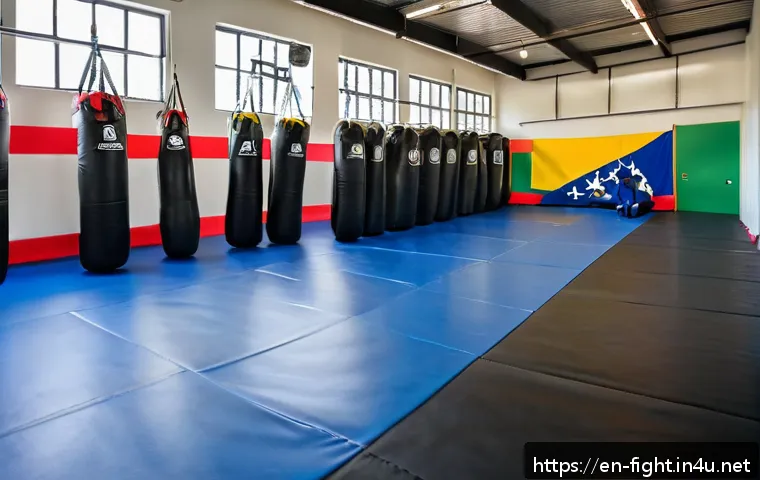
Alright, so you’ve got your sights set on a few styles, and now it’s time to start looking at the actual gyms. And let me tell you, it’s about so much more than just a matted floor and some punching bags. When I was gym hunting, I walked into some places that felt instantly like home, and others that just gave me a weird vibe. The atmosphere is HUGE. Is it welcoming? Do people seem happy to be there? A good gym should feel like a community, not just a place where people show up, sweat, and leave. Check out the facilities – are they clean? Well-maintained? Do they have changing rooms, showers, and proper equipment? These seemingly small details can make a big difference in your overall experience and how likely you are to stick with it. It’s also worth considering class schedules; do they fit into your life? A great gym might be out there, but if their classes conflict with your work or family commitments, it’s not going to work long-term. Pay attention to how the current students interact with each other and with the instructors. A positive, supportive environment can truly make or break your journey.
Assessing the Gym Environment and Facilities
- Is the gym clean, well-lit, and properly ventilated?
- Are there adequate changing rooms, showers, and restrooms?
- Is the equipment (mats, bags, weights) in good condition and plentiful?
- Does the overall atmosphere feel friendly, respectful, and inclusive?
Logistics: Schedule and Location
- Do the class times align with your availability?
- Is the gym conveniently located and easy to get to regularly?
- Are there different class levels (beginner, intermediate, advanced) available?
The All-Important Trial Class Experience
This, my friends, is where the rubber meets the road! You’ve done your research, you’ve checked out the online reviews, and now it’s time to actually *experience* the gym. Most reputable martial arts schools offer a free trial class or a trial period, and you absolutely, positively should take advantage of it. This isn’t just about trying out the moves; it’s about getting a feel for everything we just talked about. I remember my first trial BJJ class. I was totally lost, covered in sweat, and probably looked like a bewildered octopus. But the instructors were so patient, and the other students were incredibly encouraging. That’s what you’re looking for! Pay close attention to how the instructors teach – are they clear, patient, and good at explaining techniques? Do they provide individual feedback? How do they interact with students of all levels? And crucially, how do the students treat each other? Is there a sense of camaraderie or is it overly competitive and aggressive? Don’t be shy about asking questions after class – about the curriculum, the community, or anything else on your mind. A trial class is your sneak peek behind the curtain, and it’s invaluable for making an informed decision. Trust your gut feeling here; sometimes a place just feels right, or it doesn’t.
What to Observe During Your Trial Class
- How do the instructors explain and demonstrate techniques?
- Do students feel comfortable asking questions?
- Is there a good balance of drilling, instruction, and practical application (if applicable)?
- How do you feel physically and mentally after the class?
- Did you feel welcomed and supported by the existing students?
Engaging with the Community
- Introduce yourself to a few students and ask about their experiences.
- Don’t be afraid to voice your beginner status; good communities are always welcoming.
- Pay attention to the general vibe – is it a place where you can see yourself growing?
Cracking the Code: Membership Costs and Value
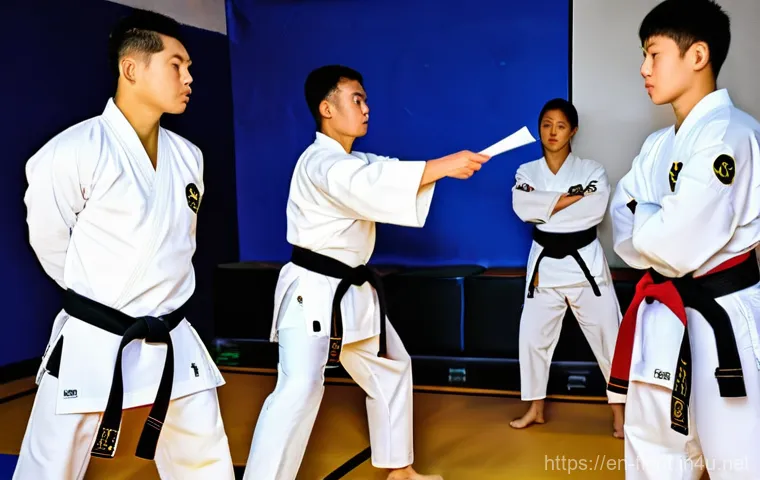
Let’s be real, money matters. Martial arts can be a significant investment, and it’s essential to understand the full financial picture before you commit. It’s not just the monthly membership fee; you’ll likely need to factor in uniforms (gis, boxing gloves, shin guards), protective gear, potential competition fees, and maybe even private lessons if you want to accelerate your learning. When you’re talking to a gym, ask for a clear breakdown of all costs. Are there sign-up fees? Annual fees? What about equipment packages? Don’t be shy about comparing prices between different gyms in your area, but remember that the cheapest option isn’t always the best value. Sometimes, paying a little more for exceptional instruction, a supportive community, and top-notch facilities is absolutely worth it in the long run. Think about what you’re actually getting for your money – how many classes can you attend? Is there flexibility in the membership? A good gym will be transparent about their pricing and won’t pressure you into signing up on the spot. I’ve definitely learned that lesson the hard way, thinking I was getting a deal only to find hidden costs later. Always, always read the fine print of any contract before signing!
Understanding the Full Financial Picture
- Get a clear breakdown of monthly fees, initiation fees, and any annual charges.
- Inquire about the cost of required uniforms and protective gear.
- Ask about potential extra costs like private lessons, workshops, or competition fees.
Assessing Value vs. Price
- Compare the number of classes offered per week across different membership tiers.
- Consider the quality of instruction and facilities against the price point.
- Factor in the flexibility of membership (e.g., month-to-month vs. long-term contracts).
Connecting with Your Tribe: The Community Vibe
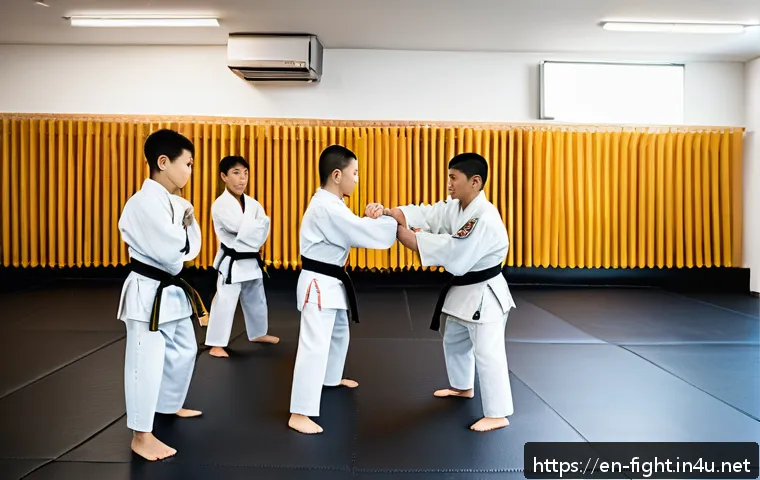
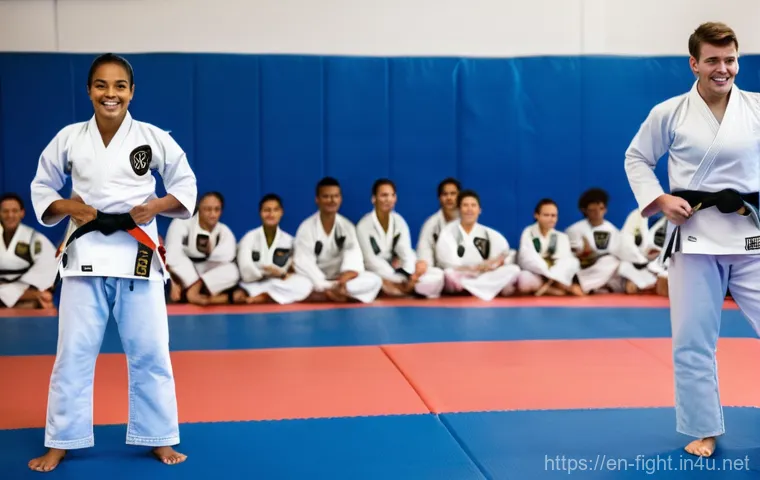
Okay, I cannot stress this enough: the people you train with are just as important as the art itself, maybe even more so. Your training partners are going to be your biggest motivators, your support system, and often, your closest friends in this journey. I’ve been in gyms where the atmosphere was super competitive and cutthroat, and honestly, it sucked the joy right out of training for me. Then I found a place where everyone was incredibly supportive, from the seasoned black belts patiently helping beginners to everyone cheering each other on during tough drills. That’s the kind of environment you want! When you’re doing your trial classes, pay close attention to the interactions between students and between students and instructors. Do people shake hands? Do they help each other out? Is there laughter and genuine connection? A strong, positive community can be the glue that keeps you coming back, especially on those days when motivation might be a little low. It’s also a fantastic way to expand your social circle and meet people who share a common passion. Finding your tribe makes all the difference, transforming a workout into a truly enriching life experience.
Observing Student-to-Student Dynamics
- Do students show respect and camaraderie both on and off the mats?
- Are higher-level students willing to help and guide newer practitioners?
- Is there a balance of friendly competition and mutual support?
Instructor-Student Relationships
- Do instructors engage with students beyond just teaching techniques?
- Do they foster an inclusive environment where everyone feels valued?
- Are they approachable for questions and guidance outside of class time?
Instructor Wisdom: Finding Your Perfect Mentor
Finally, and this one is absolutely paramount, let’s talk about the instructors. These are the people who will literally be shaping your skills, your mindset, and your journey in martial arts. A great instructor isn’t just someone who knows a lot of techniques; they’re a mentor, a motivator, and an effective communicator. Think about teachers you’ve had in life who truly inspired you – that’s the energy you want in a martial arts instructor. When you’re doing your trial classes, observe their teaching style. Are they clear and concise? Do they break down complex movements into understandable steps? Are they patient and encouraging, especially with beginners? Do they demonstrate a genuine passion for the art and for teaching? I’ve seen instructors who were incredibly skilled but terrible at conveying that knowledge, and it makes learning so much harder. You also want an instructor who prioritizes safety and proper technique over just pushing students to their limits. Look for someone who embodies the values of the martial art they teach – discipline, respect, humility, and perseverance. Don’t be afraid to look up their experience and lineage if that’s important to you. The right instructor can make all the difference, turning a good gym into a truly extraordinary learning environment.
Qualities of an Exceptional Instructor
- Clear and effective communication skills, able to simplify complex techniques.
- Patience and encouragement, especially with new students and those struggling.
- A demonstrated passion for both the martial art and for teaching others.
- A focus on safety and proper technique to prevent injuries and build a solid foundation.
Beyond the Technique
- Does the instructor embody the principles and philosophy of the martial art?
- Are they approachable and willing to provide individual feedback and guidance?
- Do they inspire confidence and a desire for continuous improvement in their students?
Wrapping Things Up
So, there you have it, folks! Finding your perfect martial arts journey is truly a personal adventure, and it’s one that promises incredible rewards, both physically and mentally. It’s not just about learning to kick or punch; it’s about discovering resilience, building confidence, and finding a community that lifts you up. Take your time with each step, trust your instincts, and remember that every expert was once a beginner. The mat awaits, and I genuinely can’t wait to hear about your experiences! Keep pushing your boundaries and enjoying every moment of this amazing path.
Handy Tips You’ll Be Glad You Knew
1. Don’t compare your progress to others, especially when you’re just starting out. Everyone’s journey is unique, and focusing on your own growth will keep you motivated. Celebrate every small victory, whether it’s mastering a new technique or just making it through a tough class. Consistency, not intensity, is often the key to long-term success. Trust the process and enjoy the ride!
2. Hydration and nutrition are your best friends. Seriously, you’ll be sweating more than you think, and what you put into your body directly impacts your energy levels and recovery. Make sure you’re drinking plenty of water throughout the day, and fuel yourself with wholesome foods. You wouldn’t put cheap gas in a sports car, so don’t do it to your body!
3. Invest in good quality gear when you can. While some gyms provide loaner equipment for trial classes, having your own well-fitting gloves, shin guards, or gi makes a huge difference in comfort and hygiene. It also shows a commitment to your training, and let’s be honest, cool gear just feels good. Plus, taking care of your equipment is part of the discipline.
4. Always show respect to your instructors and training partners. This is a fundamental principle in almost all martial arts. Bowing, listening attentively, and being a good partner during drills fosters a positive and safe learning environment for everyone. A respectful attitude goes a long way and will make you a valued member of the community.
5. Don’t be afraid to take a rest day. Your body needs time to recover and adapt, especially when you’re new to intense physical activity. Pushing through constant fatigue can lead to injury and burnout, which is the last thing you want. Listen to your body, stretch, and give yourself permission to recharge so you can come back stronger and more energized.
Key Takeaways for Your Martial Arts Journey
Embarking on a martial arts journey is incredibly rewarding, but it starts with careful consideration. First and foremost, define your “why” – what are you hoping to gain from this experience? Once you’re clear on your goals, research different styles to find one that resonates with your aspirations, whether it’s for fitness, self-defense, or discipline. Thoroughly vet potential gyms by considering their atmosphere, facilities, and class schedules. Always take advantage of trial classes to experience the training firsthand and assess the instructor’s teaching style and the community’s vibe. Be transparent about membership costs, ensuring you understand all associated fees, not just the monthly rate. Ultimately, a supportive community and inspiring instructors are paramount to a fulfilling and long-lasting martial arts experience. Choose wisely, train hard, and enjoy every moment of personal growth!
Frequently Asked Questions (FAQ) 📖
Q: I’m a total beginner with zero experience – what’s the absolute best martial art for me to start with?
A: Oh, I hear this question all the time, and honestly, it’s one of the trickiest to answer because there’s no single “best” martial art for everyone, especially when you’re just starting out!
I remember feeling totally overwhelmed looking at all the choices – Judo, Karate, Taekwondo, BJJ, Muay Thai, Boxing… the list just goes on. My personal advice, based on diving headfirst into a few different styles myself, is to really think about what you want to get out of it.
If you’re looking to boost your overall fitness, build incredible discipline, and learn some awesome kicks, something like Taekwondo or Karate could be a fantastic starting point.
They often have very structured beginner programs. If self-defense is your main goal, and you’re keen on grappling and ground control, then Brazilian Jiu-Jitsu (BJJ) is phenomenal, though it can feel a bit like human chess at first.
For striking and a killer cardio workout, boxing or Muay Thai are incredibly effective. What I truly recommend is to not just read about them, but to actually try a few introductory classes.
Most gyms offer a free trial or a heavily discounted beginner package. That’s how I found my fit – it was less about the specific art and more about the energy of the class and how the instructor made me feel.
Don’t be afraid to experiment a little!
Q: There are so many martial arts schools around! How can I tell if a gym or dojo is actually the right fit for me before committing?
A: This is such a crucial question, and it’s one I absolutely grappled with when I was first looking. It’s not just about the martial art itself, but the environment and the people.
After visiting quite a few places, I’ve realized a few things that really make a difference. First off, and this might sound obvious, but actually stepping inside is key.
Does the place feel clean and welcoming? Observe a class – are the students engaged and respectful, and does the instructor seem passionate and clear in their teaching?
Are they patient with beginners, or do they seem to only focus on the advanced students? A huge red flag for me was any place that seemed overly focused on getting me to sign up on the spot or pressured me into expensive contracts without letting me try a class or two first.
My best tip? Always, always take advantage of trial classes. Most reputable schools offer a free one, or at least a very affordable week-long pass.
Pay attention to the vibe: do you feel comfortable asking questions? Does the community feel supportive, or is it overly competitive? And critically, how do you feel physically and mentally after that first session?
You want a place that leaves you feeling energized and motivated, not intimidated or drained. Trust your gut feeling – it’s usually spot on!
Q: I’m hoping to learn some practical self-defense, but also get fit. How much time will it take before I feel like I can actually defend myself, and is it a good workout from day one?
A: That’s a super common desire, wanting both self-defense skills and a great workout, and I totally get why people ask! From my own experience, I can tell you that you’ll definitely get a fantastic workout from day one, no matter which martial art you choose.
Seriously, those first few classes will probably leave you sore in muscles you didn’t even know you had! It’s an incredibly engaging way to build strength, flexibility, and cardio endurance, far more exciting than just running on a treadmill, in my opinion.
As for practical self-defense, that’s a bit more of a journey. You’ll start learning basic techniques and concepts almost immediately, like how to stand, block, or throw a simple punch.
You’ll definitely feel more aware and confident within a few months, which is a huge part of self-defense itself. However, developing truly effective, instinctual self-defense skills that work under pressure takes consistent dedication and time – we’re talking years, not weeks.
It’s less about a magic bullet and more about building muscle memory, situational awareness, and the confidence to act. Think of it as an ongoing skill development, much like learning an instrument or a new language.
The good news is, every single session you put in contributes to both your fitness and your self-defense capabilities, so you’re always making progress!