Hey fight fans and curious readers! Have you ever wondered how the raw, gritty world of bare-knuckle brawling evolved into the polished spectacle of modern MMA we see today?
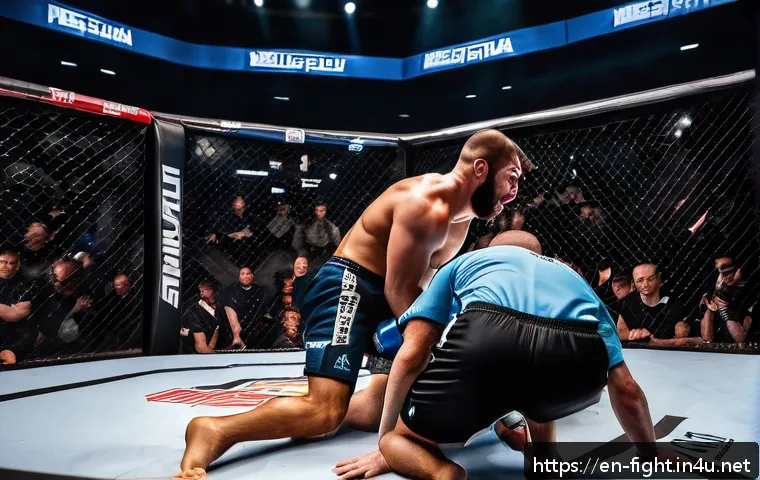
With recent rule tweaks and safety measures making headlines, it’s the perfect time to dive into how these changes have reshaped combat sports forever.
From outlawed street fights to highly regulated arenas, the journey is as fascinating as the fights themselves. Stick around, because understanding this transformation not only reveals the sport’s rich history but also sheds light on where MMA is headed next.
Let’s explore how rules turned chaos into strategy and brutality into skill.
The Dawn of Regulated Combat Sports
From Lawless Fights to Organized Competitions
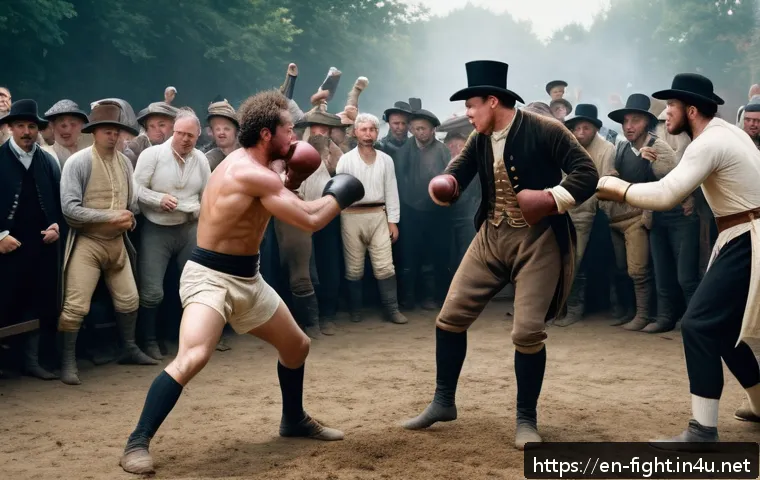
Bare-knuckle fighting wasn’t always the sport we recognize today. Back in the 18th and 19th centuries, fights were often brutal, unsanctioned events held in secret locations or open fields.
There were no weight classes, no time limits, and no protective gear. Fighters relied purely on endurance and raw toughness, with matches sometimes lasting hours.
It was a chaotic spectacle with little regard for safety or fairness. As the sport gained popularity, however, the need for standardized rules became clear.
Promoters and fighters alike realized that without some structure, the sport risked becoming banned outright due to its violent nature.
The Introduction of the London Prize Ring Rules
The first major attempt to bring order came with the London Prize Ring Rules in 1838, later revised in 1853. These rules introduced the concept of rounds ending when a fighter was knocked down and specified the use of gloves—though still minimal compared to modern standards.
They also banned some of the most dangerous moves like eye-gouging and biting. While still far from today’s safety standards, these rules were revolutionary for their time and laid the groundwork for more regulated combat sports.
This era marked the slow shift from street brawls to a more controlled, albeit still brutal, form of fighting.
How Early Regulations Shaped Fighter Strategy
With the introduction of rules, fighters had to adapt quickly. No longer could they rely on wild, reckless aggression; instead, they began to develop tactics to exploit the new boundaries.
Strategies like grappling to wear down opponents or conserving energy between rounds became essential. The rules also encouraged a more respectful attitude among fighters, as unsportsmanlike conduct could lead to disqualification.
This evolution transformed fighting from mere survival into a skill-based contest, where understanding and manipulating the rules became as important as physical strength.
Modern Safety Measures and Their Impact
Mandatory Protective Gear and Medical Checks
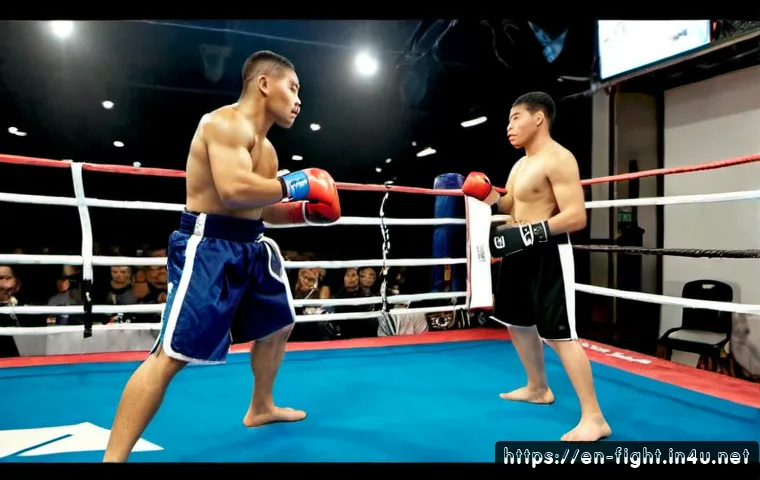
Fast forward to today, and safety is paramount in MMA and other combat sports. Fighters are required to wear mouthguards, gloves, and sometimes shin guards depending on the promotion and ruleset.
Medical examinations before and after fights are mandatory to prevent serious injuries and ensure that competitors are fit to compete. These measures dramatically reduce the risk of long-term damage and allow fighters to have longer, healthier careers.
From my own experience attending events, the presence of medical staff ringside adds a layer of reassurance that wasn’t there decades ago.
Weight Classes to Ensure Fair Matchups
One of the most significant safety improvements has been the establishment of weight classes. This system prevents mismatches where a heavier, more powerful fighter could easily overpower a smaller opponent.
Weight classes create a level playing field and encourage fighters to compete against others with similar physical attributes. Watching fights where both competitors are evenly matched physically makes the sport more exciting and competitive, as skill rather than size often determines the winner.
Time Limits and Round Systems
The introduction of time limits and structured rounds has also changed how fights unfold. Instead of endless, exhausting battles, fighters now have to perform within a set timeframe, which adds a strategic element.
Managing energy, pacing attacks, and timing submissions or knockouts have become critical skills. I remember watching a fight where the competitor cleverly used the round break to recover and then came back with a sudden flurry of strikes in the next round—this kind of tactical nuance is a direct result of these rule changes.
How Rule Changes Transformed Fighting Styles
The Rise of Mixed Martial Arts Techniques
Once fighting became regulated, different martial arts disciplines began to merge, creating the hybrid style we now know as MMA. Fighters started cross-training in striking, wrestling, and submission grappling to cover all possible scenarios.
The rules allowed techniques like kicks, punches, takedowns, and joint locks, but banned dangerous moves such as headbutts or strikes to the back of the head.
This blending of styles demanded higher levels of skill and athleticism, pushing fighters to evolve constantly.
The Shift from Brutality to Skill and Strategy
Earlier combat sports emphasized brute force and endurance, but modern rules reward precision, technique, and game-planning. Fighters study opponents, develop fight-specific strategies, and use the rules to their advantage.
This shift is why we see so many different styles succeeding today, from striking specialists to submission experts. It’s not just about being tough anymore—it’s about being smart and adaptable.
The Influence of Rule Changes on Fan Engagement
Fans have responded positively to these developments. The sport’s evolution from chaotic brawls to strategic contests has broadened its appeal. Audiences appreciate the display of skill and the suspense created by tactical battles.
Personally, I find that understanding the rules and strategies deepens my enjoyment of the sport, turning each fight into a fascinating chess match rather than a mere slugfest.
Comparing Rule Sets Across Major Promotions
Unified Rules of MMA
The Unified Rules, adopted by most major North American promotions, set the standard for professional MMA. These rules include five-minute rounds, a total of three to five rounds per fight, weight classes, and a list of fouls such as no headbutting, eye-gouging, or strikes to the back of the head.
This standardization has helped legitimize MMA as a sport and ensure fighter safety.
Variations in International Organizations
While the Unified Rules dominate in the US and Canada, other countries and organizations sometimes apply different rules. For example, some promotions allow soccer kicks or knees to a grounded opponent, which are banned under Unified Rules.
These variations influence fight strategies and styles, making each promotion unique. Watching these differences firsthand highlights how rule changes directly affect the dynamics inside the cage.
Impact on Fighter Preparation and Career Longevity
Different rule sets mean fighters must tailor their training and techniques to the promotion they compete in. Those accustomed to stricter rules might struggle in organizations with more permissive regulations and vice versa.
Ultimately, these differences can affect how long a fighter can compete safely and successfully. In my discussions with fighters, many emphasize the importance of adapting to rules for both performance and health preservation.
| Rule Aspect | Early Bare-Knuckle Era | Modern MMA (Unified Rules) |
|---|---|---|
| Protective Gear | None or minimal gloves | Mandatory gloves, mouthguards, medical checks |
| Rounds | Rounds ended when fighter was down; no fixed time | Fixed rounds (3-5), 5 minutes each |
| Weight Classes | None | Multiple weight divisions to ensure fairness |
| Legal Techniques | Few restrictions; often brutal and dangerous | Wide range allowed; banned fouls to protect fighters |
| Fouls | Minimal enforcement | Clear list of fouls; penalties and disqualifications enforced |
The Role of Governing Bodies in Shaping the Sport
Establishing Standards and Enforcement
Governing bodies like athletic commissions play a crucial role in standardizing rules and ensuring fighters’ safety. They oversee licensing, medical requirements, and officiating, which helps maintain the sport’s integrity.
Their involvement has been key to MMA’s acceptance as a legitimate sport rather than a fringe spectacle.
Balancing Entertainment and Safety
While fans crave exciting fights, governing bodies must balance this with safety concerns. Rule changes often spark debate between purists wanting fewer restrictions and regulators pushing for safer environments.
From what I’ve gathered talking to industry insiders, this ongoing dialogue is vital for the sport’s sustainable growth.
Future Directions and Potential Rule Innovations
Looking ahead, governing bodies continue to explore innovations like better concussion protocols, weight-cutting regulations, and even technology-assisted judging.
These changes aim to protect fighters while enhancing the fan experience. It’s an evolving process that reflects the sport’s dynamic nature and commitment to improvement.
How Rule Changes Influence Fighter Mindset and Training
Adapting to Evolving Regulations
Fighters must stay updated on rule changes to avoid penalties and optimize performance. This requires constant learning and flexibility. For example, when certain strikes are banned, fighters need to modify their offensive arsenal, which can be a challenging transition.
The Mental Game: Strategy Over Raw Power
Modern fighters often approach bouts like a chess match, carefully planning moves and anticipating opponents’ reactions. This mental preparation is as important as physical training.
I’ve seen fighters discuss game plans in detail during pre-fight interviews, highlighting how rules shape their approach.
Training Camps Focused on Comprehensive Skill Sets
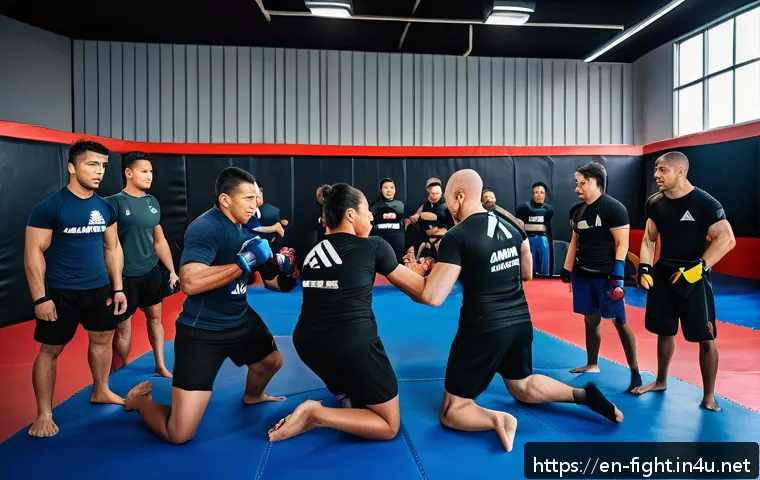
Because rules allow a broad spectrum of techniques, training camps now emphasize cross-disciplinary skills—striking, wrestling, jiu-jitsu, and conditioning.
This holistic approach prepares fighters for any scenario inside the cage, reflecting the sport’s complexity and the impact of rule evolution.
Conclusion
The evolution of combat sports from brutal, unregulated fights to highly structured competitions has transformed the way fighters train, compete, and engage with fans. Modern regulations prioritize safety without sacrificing excitement, fostering skillful and strategic bouts. This balance has elevated the sport’s legitimacy and appeal worldwide, ensuring its continued growth and innovation.
Helpful Information to Know
1. Protective gear like gloves and mouthguards are now mandatory to reduce injury risks and prolong fighters’ careers.
2. Weight classes create fair matchups, preventing dangerous size mismatches and promoting competitive balance.
3. Time limits and round systems introduce strategy, making endurance management and pacing critical for success.
4. Different promotions may have unique rules, so fighters must adapt their styles accordingly to compete effectively.
5. Governing bodies play a vital role in maintaining safety standards while balancing fan expectations and sport integrity.
Key Takeaways
Regulated rules have shifted combat sports from raw brutality to skillful, strategic contests. Fighters must continuously adapt to evolving regulations, combining diverse martial arts disciplines to stay competitive. Safety measures like mandatory protective gear, medical checks, and weight divisions are crucial for athlete health and fair play. The ongoing collaboration between promoters, regulators, and fighters ensures the sport remains exciting, legitimate, and sustainable for future generations.
Frequently Asked Questions (FAQ) 📖
Q: How did bare-knuckle fighting evolve into modern MM
A: with its current rules? A1: Bare-knuckle fighting started as unregulated street brawls where anything went, often leading to serious injuries and legal issues.
Over time, as public interest grew and fighters demanded safer conditions, organizers introduced rules to protect athletes—like gloves, weight classes, and banned strikes.
This gradual regulation transformed chaotic fights into structured contests emphasizing skill, technique, and strategy. Modern MMA incorporates these safety measures while blending multiple martial arts, making it a dynamic and respected sport today.
Q: What recent rule changes have had the biggest impact on fighter safety and competition?
A: Recent rule tweaks focus heavily on reducing serious injuries while maintaining the sport’s competitive edge. For example, stricter concussion protocols, limits on certain strikes like knees to a grounded opponent, and improved medical clearances have become standard.
These changes not only extend fighters’ careers but also make bouts more strategic, as athletes must adapt their game plans to new restrictions. I’ve noticed that these updates have made fights less about brute force and more about timing and precision.
Q: How do these evolving rules shape the future of MM
A: ? A3: The ongoing refinement of rules is steering MMA towards greater professionalism and mainstream acceptance. As safety improves, more athletes feel confident entering the sport, increasing talent diversity and competition levels.
Plus, fans get to enjoy faster-paced, technically rich fights. From my experience watching and training, this evolution encourages fighters to develop well-rounded skills rather than relying on raw aggression.
Ultimately, these rule changes help MMA grow sustainably, balancing excitement with responsibility.