Finding the perfect spot to train in martial arts can be a game-changer for anyone serious about improving their skills. Whether you’re into boxing, Brazilian jiu-jitsu, Muay Thai, or MMA, having access to a well-equipped, supportive gym makes all the difference.

In a bustling city, the options might seem overwhelming, but choosing a place that fits your style and goals is key. From expert instructors to a motivating community, every detail counts when it comes to honing your craft.
Let’s dive deeper and uncover the best martial arts training venues that truly stand out. I’ll make sure you get the full picture ahead!
Choosing the Right Martial Arts Gym for Your Style
Understanding Your Discipline’s Unique Needs
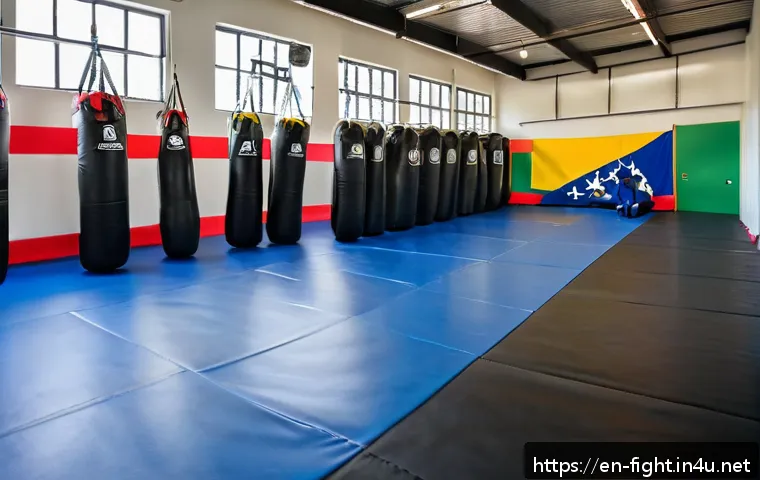
Not all martial arts gyms are created equal, and understanding what your specific discipline demands can save you from wasting time and energy. For example, a Muay Thai gym will typically have heavy bags, pads, and a ring, while a Brazilian jiu-jitsu (BJJ) academy needs ample mat space and a clean, quiet environment for rolling.
When I first started exploring gyms, I remember walking into places that looked great but lacked the right equipment or atmosphere for my style, which made training feel off.
Knowing exactly what your martial art requires—whether it’s open mat time, specialized gear, or sparring partners—helps narrow down your options quickly.
Assessing Instructor Expertise and Teaching Style
The quality of instruction can make or break your progress. I’ve trained under instructors who are technically sound but lack the ability to communicate effectively, which left me confused and frustrated.
Conversely, some gyms have instructors who create a welcoming vibe while pushing you to your limits. Don’t hesitate to ask for trial classes or watch sessions to gauge how the coaches interact with students.
A good instructor should be approachable, knowledgeable, and genuinely invested in your improvement. Remember, your relationship with your coach often determines how motivated and confident you’ll feel stepping onto the mat.
Community and Culture Matter More Than You Think
One of the most underrated factors when choosing a training venue is the community vibe. A gym might have top-notch facilities and instructors, but if the atmosphere feels toxic or overly competitive in a negative way, it can drain your enthusiasm.
When I found a gym with a supportive community, training became something I looked forward to rather than a chore. The camaraderie, shared goals, and encouragement from fellow students create a powerful environment that fuels growth.
Look for gyms that celebrate progress at all levels and foster mutual respect.
Facilities and Equipment That Enhance Your Training Experience
Essential Gear and Space for Effective Practice
The quality and availability of equipment can significantly impact your training sessions. For striking arts like boxing and kickboxing, well-maintained bags, pads, and gloves are a must.
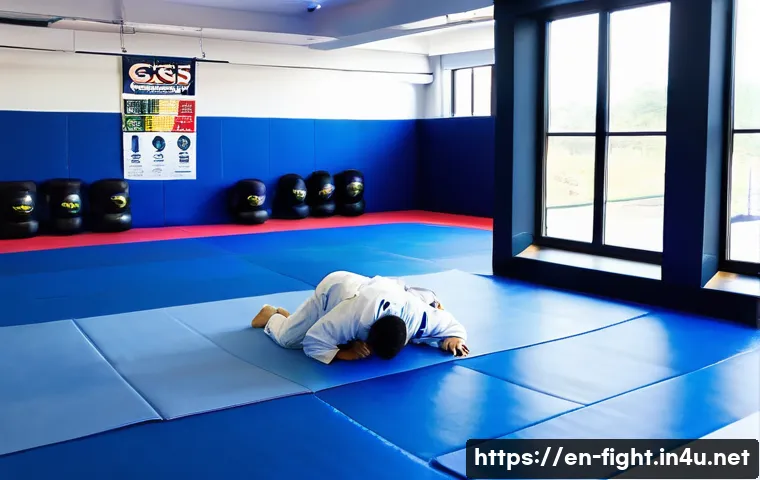
For grappling arts, clean and spacious mats are essential to prevent injuries and allow fluid movement. I’ve been in gyms where mats were old and sticky, which not only slowed down drills but also posed hygiene concerns.
Checking out the cleanliness and upkeep of the gym before committing is a smart move. A well-organized space shows the gym’s commitment to its members’ safety and progress.
Additional Amenities That Boost Convenience
Some gyms go beyond the basics by offering amenities like locker rooms, showers, or even nutrition counseling. While these aren’t always deal-breakers, they can enhance your overall experience, especially if you train before or after work.
Personally, having access to a shower after a sweaty Muay Thai session made a huge difference in how I felt leaving the gym—more refreshed and ready to tackle the rest of my day.
Consider what extras matter to you when comparing gyms.
Location and Accessibility for Consistent Training
The best gym in the world won’t help if it’s a 45-minute drive away and you can’t commit regularly. I found that gyms closer to home or work increase the likelihood that you’ll stick with your training plan.
Also, check their class schedules to see if they align with your availability. Some gyms offer flexible drop-in classes, while others require monthly commitments.
Figuring out what fits your lifestyle reduces friction and keeps your motivation high.
Pricing Models and Membership Flexibility
Understanding Different Payment Structures
Martial arts gyms vary widely in pricing—from affordable drop-in rates to premium monthly memberships. When I first started, I was hesitant to commit long-term because I wasn’t sure if I’d stick with the sport.
Finding gyms that offer trial periods or class packs gave me the flexibility to test the waters without feeling locked in. Some gyms also provide discounts for students, military personnel, or family members, so it’s worth asking about those options.
Balancing Cost with Quality
While it’s tempting to go for the cheapest option, low prices sometimes mean overcrowded classes or less qualified instructors. On the flip side, very expensive gyms don’t always guarantee better results.
I’ve seen mid-range gyms deliver excellent training with passionate coaches and a strong community. The key is to weigh cost against what you’re getting in terms of coaching, facilities, and class options.
Investing wisely in your martial arts journey pays off in the long run.
Cancellation Policies and Contract Terms
Before signing up, make sure you understand the gym’s cancellation or freeze policies. Life happens—injuries, relocations, or schedule changes can interfere with training.
Some gyms are flexible and allow you to pause your membership, while others have strict no-refund policies. I learned this the hard way when I had to stop training temporarily but was still charged because I didn’t read the fine print.
Clear communication about contract terms avoids surprises and protects your investment.
Training Atmosphere and Class Dynamics
Group Classes vs. Private Lessons
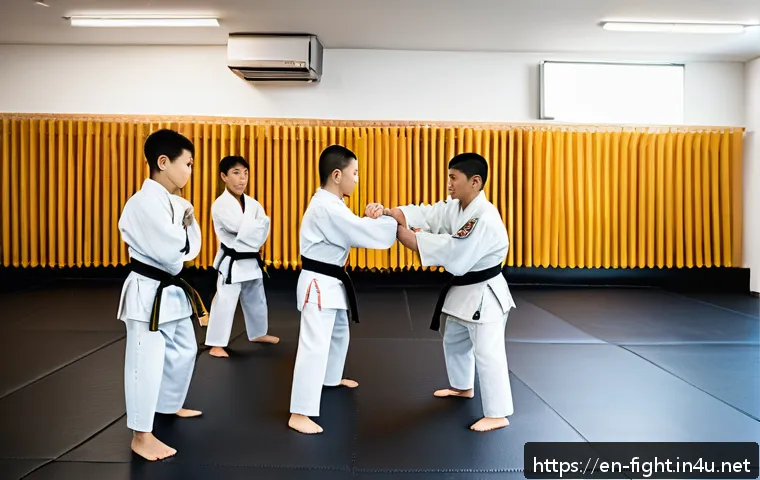
Deciding between group classes and private lessons depends on your goals and learning style. Group classes offer energy and variety, exposing you to different sparring partners and techniques.
However, they might not provide personalized feedback. Private lessons, while pricier, allow for targeted coaching and faster correction of mistakes. I personally found a mix of both ideal—group classes for conditioning and community, private sessions to refine specific skills.
Class Size and Student-to-Instructor Ratio
A smaller class size often means more attention from the instructor, which can accelerate progress. Larger classes might feel chaotic or impersonal, especially for beginners.
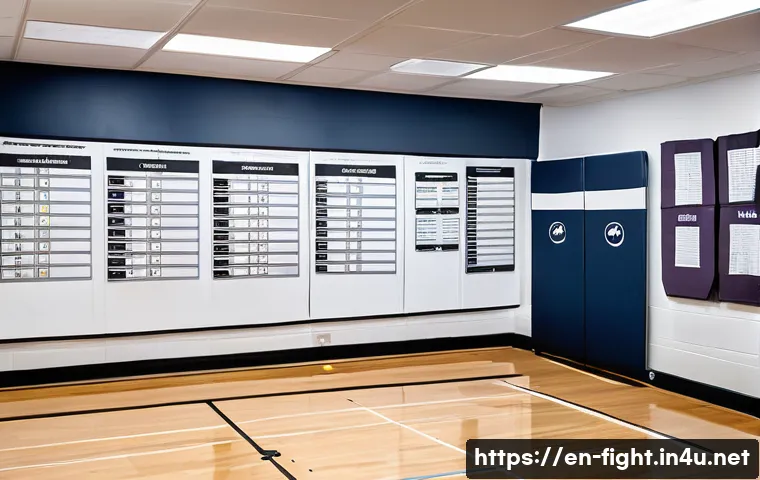
When visiting gyms, observe how many students are in each class and how the instructor manages the group. I once trained in a crowded gym where I barely got time to ask questions, which slowed my improvement.
Prioritize gyms that maintain manageable class sizes to maximize your learning.
Inclusivity and Support for All Levels
A welcoming gym respects beginners and advanced students alike. I’ve been to places where newcomers felt intimidated or excluded, which is discouraging.
The best gyms foster an environment where everyone’s journey is valued, and progression is celebrated at every stage. Look for gyms that offer beginner-friendly classes and have a clear curriculum so you know what to expect as you advance.
Tracking Progress and Access to Resources
Structured Curriculum and Belt Systems
A well-defined curriculum with belt or ranking systems helps you set clear goals and measure progress. I found that having milestones like belt tests kept me motivated and gave me a sense of accomplishment beyond just attending classes.
Ask gyms if they have formal grading systems and how often promotions occur. This structure also ensures that you develop a balanced skill set rather than just focusing on favorite techniques.
Supplementary Training Tools and Workshops
Some gyms offer additional workshops on nutrition, strength and conditioning, or mental toughness. These extra resources can significantly enhance your overall performance.
I once joined a gym that hosted monthly seminars on fight psychology, which deepened my understanding of competition nerves and helped me perform better under pressure.
If you’re serious about improvement, seek gyms that provide these value-added opportunities.
Access to Online Resources and Community Platforms
In today’s digital age, having online support like instructional videos, member forums, or app-based training logs can keep your momentum going between classes.
I appreciated gyms that shared technique breakdowns on YouTube or had private Facebook groups for members to ask questions and share progress. These tools create a continuous learning environment and make you feel connected even outside the gym.
Safety Measures and Injury Prevention
Hygiene and Cleanliness Standards
Maintaining a clean training environment is crucial, especially for grappling arts where skin infections can spread easily. I’ve trained in places with pristine mats and regular sanitizing routines, which gave me peace of mind.
Conversely, gyms that neglect hygiene can put your health at risk. Check if the gym provides disinfectant sprays, fresh towels, and requires clean gear.
Your safety should always be a top priority.
Protective Equipment and Injury Protocols
Gyms that provide or require protective gear such as mouthguards, headgear, and shin guards demonstrate a commitment to your well-being. It’s worth asking how injuries are handled—do they have first aid kits and staff trained in emergency response?
I recall a gym where quick attention to a sparring injury prevented a worse outcome. Knowing that safety protocols are in place helps you train confidently.
Warm-Up and Cool-Down Practices
Proper warm-ups and cool-downs reduce injury risks and improve recovery. Some gyms incorporate dynamic stretches and mobility drills before every session, which I found hugely beneficial for preventing muscle strains.
After training, guided cool-downs and stretching sessions help ease soreness. A gym that prioritizes these practices shows professionalism and care for your long-term health.
| Aspect | What to Look For | Why It Matters |
|---|---|---|
| Instructor Expertise | Certified, experienced, good communication | Ensures correct technique and personalized guidance |
| Facility Quality | Clean mats, proper equipment, spacious | Improves safety and training effectiveness |
| Community Atmosphere | Supportive, inclusive, motivating | Boosts consistency and enjoyment |
| Pricing Flexibility | Trial classes, fair contracts, discounts | Reduces financial risk and commitment barriers |
| Safety Measures | Hygiene protocols, protective gear, injury handling | Protects health and builds confidence |
Wrapping Up
Choosing the right martial arts gym is a personal journey that goes beyond just facilities or price. It’s about finding a place where your style is respected, your progress is supported, and the community feels like a second home. Taking the time to evaluate instructors, atmosphere, and training resources will pay off in your growth and enjoyment. Remember, the best gym is one that keeps you motivated and safe while pushing you toward your goals.
Useful Tips to Keep in Mind
1. Always try a trial class before committing to get a real feel for the gym’s environment and coaching style.
2. Prioritize gyms that offer a clear curriculum and progression system to keep your training focused and goal-oriented.
3. Look for gyms with good hygiene and safety protocols to protect your health during intense training.
4. Consider location and class schedules carefully to ensure you can maintain consistent attendance.
5. Don’t hesitate to ask about membership flexibility and cancellation policies to avoid surprises later.
Key Takeaways
Finding the perfect martial arts gym requires balancing your discipline’s specific needs with instructor quality and community culture. Facilities and equipment should support effective training while offering comfort and convenience. Pricing matters, but it should never overshadow the value of quality coaching and a positive atmosphere. Always verify safety measures and hygiene standards to protect your well-being. Finally, a gym that aligns with your lifestyle and learning preferences will keep you motivated and help you thrive on your martial arts journey.
Frequently Asked Questions (FAQ) 📖
Q: How do I choose the right martial arts gym for my skill level and goals?
A: Picking the right gym starts with knowing what you want to achieve. If you’re a beginner, look for a place that offers beginner-friendly classes with patient instructors who focus on fundamentals.
For those aiming to compete, gyms with experienced coaches and a strong sparring culture are essential. Visiting the gym, observing a class, and even trying a trial session can give you a real feel of the environment.
I found that gyms where the community is welcoming and supportive tend to keep me motivated and pushing forward.
Q: What should I look for in a martial arts instructor to ensure quality training?
A: A great instructor isn’t just someone with impressive credentials but also someone who genuinely cares about your progress. Look for trainers who provide personalized feedback, demonstrate techniques clearly, and encourage questions.
From my experience, instructors who have competed or coached at a high level bring valuable insights that accelerate learning. Also, an instructor’s attitude matters—a positive, patient, and motivating coach makes a huge difference in staying committed and improving consistently.
Q: How important is the training environment and community in a martial arts gym?
A: The atmosphere and community can make or break your training experience. I’ve trained in gyms where the vibe was competitive but respectful, which pushed me to work harder without feeling intimidated.
A supportive community helps keep you accountable and makes showing up enjoyable, especially on tough days. Facilities matter too—clean, well-equipped gyms with enough space and quality gear enhance both safety and training effectiveness.
Ultimately, the right environment keeps you coming back and growing your skills.