Have you ever watched an amateur fight, felt that undeniable adrenaline, and thought, “Could I actually do that?” I know the feeling! I remember that surge of nerves and excitement before even my first serious sparring session, let alone thinking about stepping into a real competition.
It’s incredible how accessible amateur combat sports have become these days, from bustling local boxing gyms to high-energy BJJ tournaments, truly opening doors for so many people to finally try their hand.
It’s not just about aiming for a win; it’s profoundly about pushing your physical and mental limits, forging incredible discipline, and finding a supportive community that genuinely understands the journey – lessons I’ve personally carried through so many aspects of my life.
But let’s be honest, figuring out exactly where to start, what to truly expect, and how to safely and effectively prepare can feel like a monumental task, almost a fight before the actual fight, right?
If you’ve been eyeing that first amateur bout and wondering how to make it a reality, or even just curious about the whole process, then you are absolutely in the perfect spot.
Let’s cut through all the confusion and get you precisely ready to take that exhilarating first step!
Unlocking Your Potential: Finding Your Tribe and Training Ground
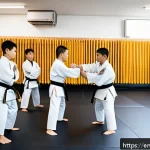
Okay, so you’ve got that fire in your belly, that itch to step into the ring or cage for the first first-time. Trust me, I’ve been right there, feeling that mix of excitement and “holy smokes, what am I getting myself into?” The very first, and arguably most crucial, step in this exhilarating journey is finding the right gym – your future second home – and the people who will become your literal lifelines. It’s not just about “a” gym; it’s about “the” gym where the vibe feels right, where the coaches genuinely care, and where you feel safe enough to push your boundaries. I’ve seen so many people bounce between places, and the ones who stick with it are almost always the ones who found a true community, a ‘tribe’ that uplifts them even when they’re covered in sweat and doubt. You’re looking for a place that fosters growth, not just competition, especially when you’re just starting out. It’s about building a solid foundation, learning respect, and finding mentors who see your potential even when you can’t see it yourself. Don’t rush this decision; it’s more important than you think for your long-term success and enjoyment in the sport.
Scouting Your Sanctuary: What to Look For in a Gym
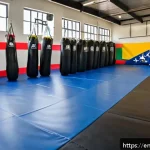
When you walk into a gym, take a deep breath and really soak it all in. Does it smell clean? Are the mats well-maintained? Beyond the aesthetics, pay attention to the atmosphere. Does it feel welcoming, or is it intimidating? My personal rule of thumb is: if you can’t imagine spending hours there every week, it’s probably not the right fit. Look for facilities with dedicated areas for different disciplines – a boxing ring, mat space for grappling, perhaps a cage – and plenty of equipment like heavy bags, speed bags, and conditioning tools. More importantly, observe the classes. Are people learning, drilling, and sparring safely? Do the coaches actively teach and correct, or do they just bark orders? I remember my first few trial classes, feeling completely lost but also incredibly supported by both the coaches and the more experienced students. That’s the kind of environment you’re aiming for. Don’t be afraid to ask about class schedules, beginner programs, and even the gym’s philosophy. This is your investment, both of time and money, so make it count.
Building Your Dream Team: Coaches and Training Partners
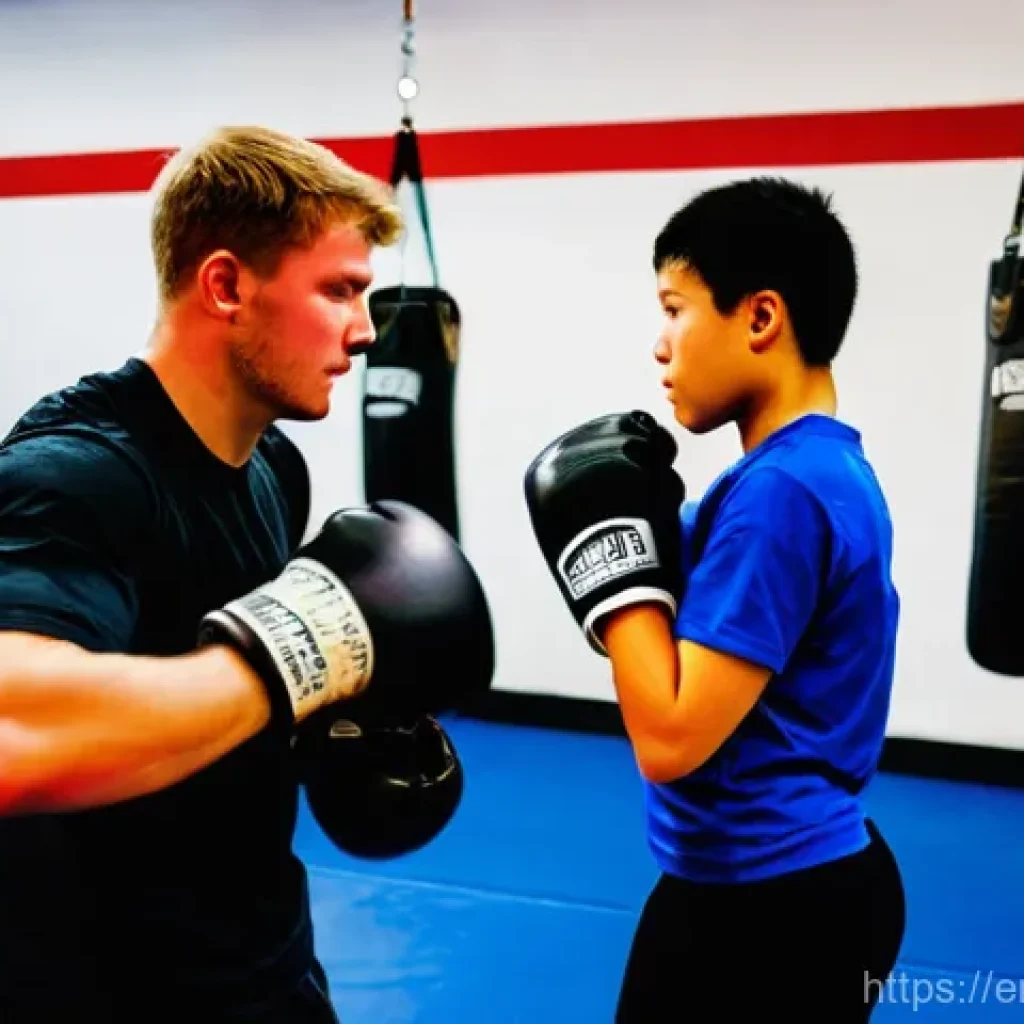
Your coach is going to be your guiding star, your drill sergeant, and sometimes, your therapist. You need someone who has experience not just competing, but also coaching amateur fighters. Someone who understands how to build you up from scratch, identify your weaknesses without crushing your spirit, and celebrate every tiny victory along the way. I’ve had coaches who pushed me to my absolute limit but always knew when to pull me back, and those are the ones who truly stick with you. Equally important are your training partners. These are the folks who will be sweating, bleeding (metaphorically, mostly!), and growing right alongside you. They’ll hold pads, spar with you, and probably become some of your closest friends. A good training partner makes you better; they challenge you safely, offer constructive feedback, and keep you motivated on those days when you just want to quit. Look for a gym where respect is paramount and egos are checked at the door. You want partners who want to see you succeed, just as much as you want to see them shine.
Beyond the Punch: The Unseen Grind of Preparation
Once you’ve found your gym and started training, you’ll quickly realize that the actual fight is just the tip of the iceberg. The real work, the transformative journey, happens in the months leading up to it, often when no one’s watching. This unseen grind, the “camp,” is where you forge your resilience, hone your skills, and truly understand what you’re made of. It’s a period of intense discipline – not just physically, but mentally. I recall my first “fight camp” vividly; the sheer volume of training, the relentless focus on technique, and the constant introspection. It felt like I was living and breathing combat sports, and honestly, a huge part of me loved it. But it also required a level of strategic planning I hadn’t anticipated. It’s about optimizing every single aspect of your life to support your training goals, making sure that when you do step under those lights, you’re not just ready, you’re over-prepared.
The Art of the Schedule: Balancing Life and Training
Training for an amateur fight isn’t something you can just “wing.” It demands a structured plan that integrates skill development, strength and conditioning, and, crucially, life itself. We’re not professional athletes (yet!), so we have jobs, families, and other commitments. My personal trick has always been to treat my training schedule like a non-negotiable work meeting. Blocking out time for morning runs, evening gym sessions, and even recovery – yes, recovery needs to be scheduled too! It’s about finding that delicate balance where you’re pushing yourself without burning out. Work closely with your coach to create a program tailored to your unique strengths and weaknesses, making sure it ramps up appropriately as fight day approaches. It might mean sacrificing some social events, or getting up before the sun, but I can tell you, the feeling of discipline you build carries over into every other area of your life. And remember, consistency is truly your secret weapon here; showing up, even on days you don’t feel like it, makes all the difference.
Drilling Down: Mastering Techniques and Sparring Smart
This is where the magic truly happens – turning clumsy movements into fluid, instinctive reactions. You’ll spend countless hours drilling fundamentals: your stance, footwork, defensive blocks, and offensive combinations. It’s repetitive, sometimes tedious, but absolutely essential for building that muscle memory. I remember feeling so awkward trying to perfect a simple jab-cross, but with enough reps, it eventually clicked, becoming second nature. Then comes sparring – the real test. This isn’t about winning every exchange; it’s about learning, adapting, and testing your techniques against a live, resisting opponent. Sparring “smart” means going at a controlled intensity, focusing on execution rather than power, and always prioritizing the safety of yourself and your partner. It’s your chance to simulate fight conditions, learn to manage distance, and understand how your body and mind react under pressure. My best sparring sessions weren’t always the ones where I felt dominant; they were the ones where I learned the most about my weaknesses and what I needed to refine.
Fueling the Fire Within: Nutrition, Hydration, and Recovery
Listen, you can train like a superhero, but if you’re fueling your body like a couch potato, you’re going to hit a wall – hard. Think of your body as a high-performance engine; it needs premium fuel, and plenty of it, to run optimally. This is where nutrition becomes not just important, but absolutely critical for any aspiring fighter. I learned this the hard way after one particularly grueling camp where I neglected my diet and felt completely drained on fight day. Never again! Now, I approach my nutrition with the same discipline as my training. It’s not about fad diets or starvation; it’s about consistent, intelligent eating that supports muscle repair, energy levels, and overall well-being. Coupled with proper hydration and strategic recovery, your diet forms the bedrock of your performance and longevity in this demanding sport. It’s an investment that pays dividends when you’re in there, giving it your all.
Eating to Win: Your Fight-Ready Diet
So, what does “eating to win” really look like? For me, it’s all about whole, unprocessed foods. Think lean proteins – chicken, fish, eggs, and plenty of plant-based options – to rebuild those torn muscle fibers. Complex carbohydrates like sweet potatoes, oats, brown rice, and a rainbow of fruits and vegetables are your best friends for sustained energy. I try to make sure every plate is bursting with color, knowing that I&m getting a wide range of vitamins and minerals. Healthy fats from avocados, nuts, and olive oil are essential for hormone production and overall health. And seriously, cut out the junk food! It’s just empty calories that will leave you feeling sluggish. I’ve found that meal prepping on a Sunday makes a huge difference; having healthy, delicious meals ready to go prevents me from making poor choices when I’m tired and hungry after a tough training session. Remember, consistency in your eating habits is key, not just in the weeks leading up to a fight, but always.
The Power of Zzz’s: Why Rest is Your Secret Weapon
This one might sound obvious, but it’s often the most overlooked aspect of training: sleep. As an athlete, sleep isn’t a luxury; it’s a non-negotiable component of your recovery. When you’re pushing your body to its limits, your muscles are screaming for repair, your nervous system needs to reset, and your brain needs to consolidate all those new techniques you’ve learned. I used to be terrible about sleep, thinking I could power through on just a few hours. Big mistake. My performance suffered, my mood was terrible, and I was constantly flirting with injury. Now, I aim for 7-9 hours of quality sleep every single night, no excuses. Sometimes, a short nap (20-90 minutes) during the day can be a game-changer too, especially during an intense camp. Beyond just sleep, active recovery – things like light walks, stretching, foam rolling, and even a good old ice bath – helps tremendously with reducing soreness and improving blood flow. It’s about listening to your body and giving it what it needs to bounce back stronger for the next session. Without proper rest, you’re just digging yourself into a hole, and no amount of training can pull you out.
The Mental Game: Conquering Nerves and Building Resilience
Alright, let’s talk about what happens between your ears, because in combat sports, your mind can be your greatest asset or your worst enemy. I’ve walked into gyms feeling like a world-beater, only to have my confidence shattered by a tough sparring session. And I’ve felt that unsettling flutter in my stomach before a fight, questioning everything. Every single fighter, no matter how seasoned, deals with nerves and self-doubt. The difference between those who succeed and those who falter often comes down to their mental fortitude. It’s about developing a mindset that embraces challenges, learns from setbacks, and stays calm under immense pressure. This isn’t something you’re born with; it’s a skill you cultivate through deliberate practice, just like your physical techniques. My journey in combat sports has taught me more about mental resilience than anything else in my life.
Embracing the Nerves: Turning Fear into Focus
The night before my first amateur bout, I barely slept. My mind raced with “what ifs,” picturing every possible scenario – good and bad. It’s totally normal to feel that way. The trick isn’t to eliminate nerves, but to acknowledge them and channel that energy. Think of it as your body getting ready for battle, a natural adrenaline response. I’ve learned to reframe those jitters as excitement, as a sign that I care deeply about what I’m about to do. Visualization has been a huge game-changer for me. Before a tough sparring session or a competition, I’ll close my eyes and mentally rehearse the entire process: my walkout, the crowd, executing my techniques flawlessly, even responding calmly to getting hit. This mental rehearsal makes the actual event feel more familiar, less daunting. It helps create a sense of control in what can feel like a chaotic environment. Breathing exercises and mindfulness meditation are also fantastic tools for managing stress and staying present.
Visualizing Victory: Mental Rehearsals for Success
Beyond just managing nerves, truly effective mental preparation involves proactively programming your mind for success. This is where advanced visualization techniques come in. It’s not just about seeing yourself win, it’s about feeling it, hearing the crowd, smelling the canvas, feeling the impact of your punches or kicks, and anticipating your opponent’s movements. Georges St-Pierre, a legend in MMA, often talked about using visualization to mentally rehearse his fights down to the smallest detail. By doing this, he created a sense of familiarity with high-pressure situations, helping him remain calm and focused when it mattered most. I’ve incorporated this by not just visualizing perfect techniques, but also visualizing myself overcoming adversity – getting hit, recovering, and sticking to my game plan. It’s like creating a mental blueprint for success, preparing your subconscious for whatever challenges come your way. Setting clear, achievable goals, both short-term and long-term, also provides direction and motivation. This helps you track progress and stay committed, even when the journey feels incredibly tough.
Arming Yourself: Essential Gear for Your Combat Journey
Before you even think about stepping into a competitive environment, or even going full tilt in sparring, you absolutely must have the right gear. Seriously, this isn’t an area to cut corners. Investing in quality protective equipment is paramount for your safety and for the safety of your training partners. I’ve seen far too many beginners show up with subpar gloves or no mouthguard, and it just screams “accident waiting to happen.” Not only does proper gear reduce the risk of injury, but it also allows you to train with confidence, knowing you’re protected. You wouldn’t go into battle without armor, right? Think of your equipment as your armor in the gym and in the ring. Plus, having your own well-fitting gear just makes you feel more professional and prepared, which honestly, is a huge mental boost.
From Head to Toe: Protecting Yourself Smartly
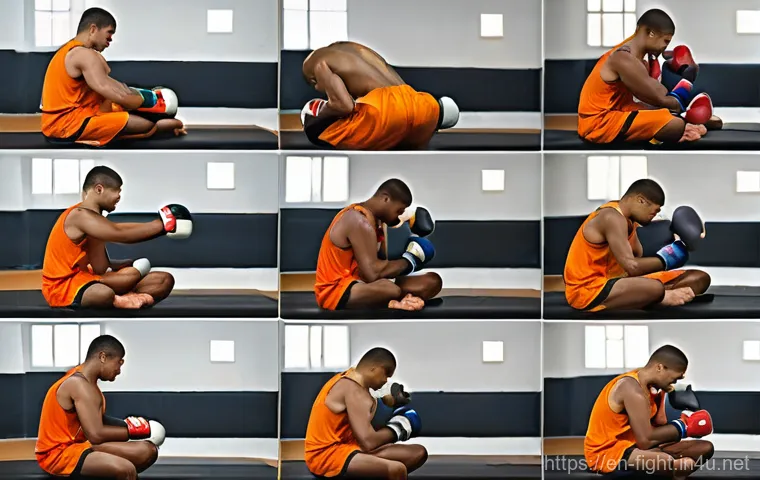
Let’s break down the essentials. First up, gloves. For training, you’ll typically need a heavier pair, like 12oz, 14oz, or even 16oz boxing gloves, to protect your hands and your partners during sparring. For competition, the weight might be slightly lighter depending on your weight class and the rules of the sport. Hand wraps are a non-negotiable – they support the delicate bones in your hands and wrists, preventing sprains and fractures. Then there’s headgear. While often not worn in actual amateur fights, it’s crucial for sparring to prevent cuts, bruises, and reduce the risk of concussions. And please, for the love of all that is holy, get a good mouthguard. This will protect your teeth, jaw, and even help prevent concussions. Seriously, don’t skimp on this one – a custom-fit mouthguard is a worthy investment. For MMA or Muay Thai, shin guards are essential to protect your shins and feet during kicking drills and sparring. And finally, a groin protector (cup) is absolutely mandatory for obvious reasons. Don’t forget proper footwear (boxing shoes or going barefoot, depending on your sport and gym rules) to ensure stability and traction. Always make sure your gear fits properly – too loose, and it’s not doing its job; too tight, and it’s uncomfortable and distracting.
Beyond the Basics: Specialized Kit for Specific Disciplines
While the core protective gear remains consistent across most combat sports, some disciplines have their own specialized equipment that can significantly enhance your training and safety. For instance, if you’re diving deep into Brazilian Jiu-Jitsu, you’ll need a good Gi (and often a no-Gi rash guard for submission grappling). If boxing is your primary focus, having a dedicated pair of bag gloves can really help save your sparring gloves from wear and tear, and also provide a different feel for developing power. Focus mitts and thai pads are also fantastic training tools – your coach or training partners will use them, and sometimes owning your own (especially pads) can be really useful for extra practice. Jump ropes are a classic for a reason, unbeatable for cardio, footwork, and rhythm. And while less glamorous, things like a good gym bag to carry all your sweaty gear, a water bottle, and a towel are crucial for hygiene and comfort. The key is to start with the essentials, and then gradually build up your arsenal as you progress and understand what specific tools will best support your journey.
The Moment of Truth: What Really Happens on Fight Day
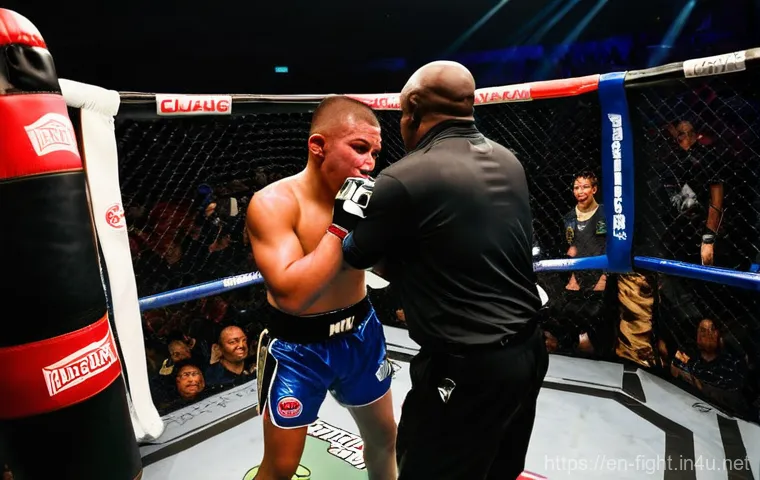
Okay, so you’ve put in the countless hours, shed the sweat, maybe even a few tears. The day you’ve been meticulously preparing for is finally here. Fight day. I can tell you from personal experience, there’s nothing quite like it. The air is thick with anticipation, a nervous energy that hums through everyone involved. Even after several bouts, that unique blend of excitement and intense trepidation never completely goes away. Your stomach might do flips, your heart might race a little faster, and you’ll probably find yourself overthinking everything. It’s a surreal experience, a culmination of all your hard work boiling down to those few intense minutes. You’ll move through a series of familiar rituals, from weigh-ins to warm-ups, each designed to get you physically and mentally ready. But truly, nothing can fully prepare you for that walk to the ring or cage, the roar of the crowd, and the feeling of the canvas under your feet as the referee gives those final instructions. It’s a moment of pure, unadulterated focus.
Weigh-ins and Warm-ups: The Pre-Fight Ritual
Your fight day usually kicks off early with the weigh-ins and medical evaluations. This is often the final hurdle, especially if you’ve been cutting weight. Seeing your weight hit the target, getting that “all clear” from the medical staff – it’s a massive relief and a boost of confidence. From there, it’s all about fueling your body and staying relaxed. I remember after my first weigh-in, just wanting to eat everything in sight! But slowly rehydrating and eating easily digestible, complex carbs and lean protein is key to feeling strong. As the event draws closer, you’ll start your warm-up. This isn’t just about getting your muscles ready; it’s a ritual, a way to focus your mind and shake off any lingering tension. Light cardio, dynamic stretching, shadowboxing, and some light pad work with your coach – these familiar movements help bring you into the zone, preparing your body and mind for the explosion of energy that’s about to come.
Stepping into the Arena: Navigating the Adrenaline Rush
Then comes the walk. That tunnel vision, the music, the cheers (and maybe some boos) – it’s an overwhelming sensory experience. The adrenaline surge is intense, and honestly, it can make those first few seconds feel like a blur. I remember trying to focus on my coach’s voice, reminding myself of the game plan we’d drilled relentlessly. It’s easy to get caught up in the moment, to brawl instead of box, or to forget your technique entirely. This is where all that mental preparation – the visualization, the breathing – really pays off. Your body is ready; now it’s about keeping your mind calm and executing. You’ll feel punches differently than in sparring; the impact can be jarring, but the adrenaline often dulls the pain. Stick to your plan, stay composed, and breathe. The rounds will fly by faster than you expect, and before you know it, it’ll be over. Win, lose, or draw, simply stepping in there is a victory in itself, something to be incredibly proud of.
Here’s a quick glance at how to approach fight week like a seasoned pro:
| Aspect | Pre-Fight Week (Final 7 Days) | Fight Day |
|---|---|---|
| Nutrition | Focus on clean, complex carbs (oats, sweet potatoes, brown rice), lean proteins (chicken, fish), healthy fats (avocado, nuts). Consistent hydration. Avoid processed foods, excess sugar. Small carb depletion for weight cut if necessary. | Rehydrate slowly after weigh-ins. Consume easily digestible complex carbs & lean protein (e.g., banana, oatmeal, chicken breast). Avoid heavy, greasy foods. Sip water/electrolytes. |
| Training | “Tapering” phase: significantly reduce intensity and volume. Focus on light drills, technique refinement, and active recovery. Avoid heavy sparring or new techniques to prevent injury and ensure freshness. | Light warm-up (jump rope, shadowboxing, dynamic stretches). Minimal pad work with coach. Preserve energy. Do not spar. |
| Mental Prep | Intensify visualization and positive self-talk. Review game plan. Limit external distractions. Spend time with supportive people. Manage stress through meditation/breathing. | Stay calm and focused. Trust your training. Visualize executing your game plan. Listen to your corner. Embrace the moment. |
| Recovery | Prioritize 7-9 hours of sleep. Incorporate active recovery (light walks, stretching, foam rolling) and passive recovery (ice baths, massage). | Post-fight: begin rehydration and replenishment of nutrients. Cold therapy (ice packs/bath) for any soreness or impact areas. Get quality sleep. |
The Aftermath and the Ascent: Learning from Every Bout
The final bell rings, the referee raises a hand, and the decision is announced. Or perhaps the fight ended earlier. No matter the outcome, that moment is a whirlwind of emotions. Relief, exhaustion, elation, disappointment – sometimes all at once. I’ve experienced the high of a win and the sting of a loss, and each has taught me profound lessons. What truly defines a fighter isn’t just the outcome of a single bout, but how they respond to it. This phase – the “aftermath” – is arguably as important as the preparation itself. It’s where true growth happens, where you digest the experience, learn from your performance, and ultimately decide what your next steps will be. The journey in combat sports is rarely a straight line; it’s a series of peaks and valleys, each offering unique opportunities for self-discovery and improvement. This is where you transform a single fight into a stepping stone for future success.
Win or Lose: Embracing the Post-Fight Reflection
Whether your hand was raised or not, the first thing to do is breathe and absorb the experience. After my first loss, I was gutted. Absolutely heartbroken. But my coach reminded me that losing is a part of fighting, and more importantly, it’s an opportunity to learn. You’ll want to re-watch your fight – probably multiple times – with your coach. Be honest with yourself about your performance. Where did you excel? Where did you make mistakes? Was your cardio an issue? Did you stick to the game plan? These aren’t easy questions to ask, but they’re essential for growth. My best personal lessons have often come from my toughest fights. Celebrate your effort and the courage it took to step in there, regardless of the scorecards. Your friends and family will be incredibly proud just that you did it, and honestly, that’s a huge part of what makes this journey so special. Take some time to recover physically and mentally – your body will need rest, and your mind will need to decompress after such an intense experience.
Setting New Horizons: Your Next Steps in the Combat World
Once you’ve had time to reflect and recover, it’s time to look forward. This is where you and your coach will develop a plan based on your fight performance. Did you discover a weakness you need to address? A new technique you want to master? Maybe you want to move up or down a weight class. For me, after a particularly draining weight cut, I decided my next fight would be at a more comfortable weight, which dramatically improved my performance. The beauty of amateur combat sports is that it’s a continuous learning process. Every single fight, every training session, adds another layer to your skillset and your character. Don’t rush back into competition too soon; allow your body and mind adequate time to heal and grow. And remember why you started this in the first place: the challenge, the discipline, the community, and that incredible feeling of pushing your limits. This journey is about constant evolution, so set new, realistic goals, stay consistent, and keep that fire burning. The combat world is waiting for your next chapter!
Wrapping Things Up
So there you have it, folks – a deep dive into what it truly takes to step into the world of combat sports, from finding your home base to the final bell. This isn’t just about throwing punches or locking in submissions; it’s a transformative journey that shapes you, both physically and mentally. I’ve seen firsthand how dedicating yourself to this craft builds unwavering discipline, unparalleled confidence, and a community of friends that feels more like family. It’s an adventure of self-discovery, pushing past what you thought were your limits, and celebrating every small victory along the way. If you’ve been on the fence, or if you’re already deep in the grind, remember that every challenge you overcome in the gym, every moment of doubt you push through, makes you stronger for life outside the ropes. Keep that fire burning, keep learning, and most importantly, enjoy every single step of your incredible journey!
Good to Know Info
1.
Always Prioritize Injury Prevention
Beyond just wearing your protective gear, truly listening to your body is paramount. Don’t push through sharp pain. Take rest days seriously, even when you feel you “should” be training. Overuse injuries can sideline you for weeks or months, completely derailing your progress. Incorporate mobility work, stretching, and proper warm-ups and cool-downs into every session. It’s not about being tough and ignoring pain; it’s about being smart and consistent, ensuring you can keep training for the long haul. Remember, a slight tweak can turn into a serious injury if neglected. Always communicate any discomfort or pain with your coaches – they’re there to guide you safely through your training.
2.
Cross-Training is Your Secret Weapon
While specific drills and sparring are crucial, incorporating other forms of exercise can dramatically improve your performance and prevent burnout. Activities like swimming, cycling, yoga, or even hiking can boost your cardiovascular endurance, improve flexibility, and strengthen often-neglected muscle groups. For me, adding regular swimming sessions helped immensely with my lung capacity and active recovery. It also provides a mental break from the intensity of martial arts training, helping to keep things fresh and exciting. Don’t underestimate how a well-rounded fitness regimen can give you an edge in the ring or cage.
3.
Nutrition Isn’t Just for Weight Cuts
Many fighters only pay close attention to their diet when a fight is looming and a weight cut is necessary. However, consistent, mindful nutrition year-round is key for optimal performance, recovery, and overall health. Think of it as fueling your body like a high-performance vehicle every single day, not just before a big race. A balanced diet rich in whole foods, lean proteins, complex carbs, and healthy fats supports consistent energy levels, faster muscle repair, and a stronger immune system. This steady approach prevents extreme fluctuations and makes any necessary fight-camp adjustments far less drastic and more manageable for your body.
4.
Mental Health is as Important as Physical Health
Combat sports are incredibly demanding, not just physically but mentally. The pressure of competition, the grind of training, and the occasional setbacks can take a toll. Don’t shy away from addressing your mental well-being. Practicing mindfulness, meditation, or even talking to a trusted friend, family member, or professional can be incredibly beneficial. Learning to manage stress, anxiety, and self-doubt is a crucial skill that complements your physical training. A strong, resilient mind is just as vital as a strong body in the combat arena, ensuring you can perform under pressure and bounce back from adversity.
5.
Embrace the Journey, Not Just the Destination
It’s easy to get fixated on winning a particular fight or achieving a specific belt, but the true beauty of combat sports lies in the journey itself. The daily grind, the small improvements, the friendships forged in sweat and effort – these are the real rewards. Enjoy the process of learning, growing, and challenging yourself. Celebrate the fact that you show up, you put in the work, and you constantly strive to become a better version of yourself. Focusing on the present moment and the continuous self-improvement will make your experience far more fulfilling and sustainable, regardless of any individual outcome.
Key Takeaways
Alright, so if there’s one thing I want you to walk away with after reading all this, it’s that getting involved in combat sports is a deeply personal, incredibly rewarding, and utterly transformative journey. You need to invest wisely in finding a gym that feels like home, with coaches who genuinely care and a tribe that lifts you up. Remember, the real work often happens behind the scenes – in the relentless training, the smart nutrition, and the crucial recovery that most people never see. Don’t ever underestimate the power of your mind; mastering the mental game is just as vital as perfecting your techniques. And please, for your own safety and longevity, always, always invest in quality gear. Every session, every sparring round, every fight, whether it’s a win or a loss, is a lesson waiting to be learned. So strap up, keep pushing, and embrace the extraordinary person you’re becoming through this incredible sport!
Frequently Asked Questions (FAQ) 📖
Q: With so many combat sports out there—boxing, BJJ, Muay Thai, MM
A: —how do I even pick the right one for me as a total beginner? A1: This is such a fantastic question, and honestly, it’s where many people get stuck before they even start!
I remember feeling a bit like a kid in a candy store, but also completely overwhelmed. The key, in my opinion, is to start with your “why.” What are you hoping to get out of it?
Are you chasing that incredible cardio and striking power you see in boxing or Muay Thai? Or are you more fascinated by the strategic, grappling chess match of Brazilian Jiu-Jitsu (BJJ), where technique can truly overcome strength?
Maybe you’re like me and were drawn to the ultimate challenge of Mixed Martial Arts (MMA), which blends everything together. Here’s my personal tip: Don’t commit to anything long-term just yet.
Most local gyms offer a free trial class or a beginner’s package, and I highly recommend trying out a few different disciplines that pique your interest.
Visit a boxing gym, see how you feel throwing punches and working on footwork. Then, check out a BJJ academy and experience the puzzle-like nature of ground fighting.
Pay attention to the atmosphere too! Does the gym feel welcoming? Do the coaches seem genuinely invested in their beginners?
Do the people training there seem like a community you’d want to be a part of? I’ve found that the right environment can make all the difference, almost more than the specific sport itself.
It’s all about finding what truly resonates with your spirit and makes you excited to come back for more.
Q: I’m ready to commit! What does a realistic training schedule look like for an amateur, and how much time will I need to dedicate each week to prepare for my first bout?
A: Awesome, that’s the spirit! Once you’ve caught the bug, it’s easy to want to dive in headfirst, and I totally get that drive. From my experience, a realistic training schedule for someone eyeing their first amateur fight isn’t about training 24/7, but about smart, consistent effort.
For most beginners, aiming for 3-5 dedicated training sessions a week is a really solid starting point. This usually includes specific skill-based classes like boxing technique, BJJ drilling, or Muay Thai pad work, along with some conditioning.
Remember that intense adrenaline rush I mentioned earlier? Your fitness in the gym is going to feel different on fight night because of those nerves, so building a strong aerobic base is crucial.
Don’t skip the road work or dedicated cardio sessions! I used to dread my morning runs, but they were absolutely vital for building the stamina needed to keep my hands up and my mind sharp through every round.
Many beginner-friendly gyms will have structured classes, but you’ll also want to integrate some strength training to bulletproof your body and prevent injuries.
Listen to your body, though—recovery is just as important as the training itself. Overtraining can lead to burnout and injuries, so find that sweet spot of pushing yourself hard but also allowing your body to rest and adapt.
Q: I’m really excited, but also a bit nervous about getting hurt. How safe is amateur combat sports, really, and what kind of bumps and bruises should I genuinely expect?
A: Ah, the injury question! It’s completely natural to have concerns about safety, and frankly, anyone who tells you there’s no risk isn’t being entirely honest.
Combat sports, by their very nature, involve impact. However, I can tell you from firsthand experience, and what I’ve seen training alongside countless amateurs, is that safety is a huge priority, especially at the beginner level.
Most reputable gyms emphasize controlled sparring and technique over brute force, particularly for those just starting out. You should absolutely expect some bumps, bruises, and general soreness.
Think of it as your body adjusting to a new level of physical challenge. Minor sprains, strains, and contusions (those lovely dark bruises) are pretty common, especially around the hands, wrists, shoulders, and shins, depending on your sport.
I’ve had my share of swollen knuckles and achy muscles, but honestly, most serious injuries happen when people try to rush the process or ego takes over in sparring.
The key to minimizing risk is to always, always prioritize proper technique, listen to your coaches, and wear appropriate, well-fitting protective gear like good gloves, hand wraps, mouthguards, and headgear.
And crucially, don’t be afraid to tap (in grappling) or speak up if something feels wrong. Your health and long-term ability to train are far more important than any single training session or sparring round.
It’s a journey, not a sprint, and protecting your body is part of playing the long game!